Epicor’s annual meeting, Insights, of Epicor customers, partners, and employees is right around the corner! Taking place May 21 – 24 in Nashville, TN at the Gaylord Opryland Resort and Convention Center, Insights 2018 will bring together 3,000 attendees from around the world to learn, network, and celebrate together. The event is hosted by the Epicor Users Group and Epicor Corporation. Encompass Solutions will also be holding our annual customer appreciation reception.

The Benefits of Attending Epicor Insights 2018

Here’s what you can expect to get out of your attendance at Insights 2018:

  • Classes – Dozens of 60-90 minute classes are held that are interactive, headed by subject matter experts, and allow questions.
  • Hands-On Labs – The labs are more detailed and hands-on with lab exercises to enter into Epicor and view the results. Two people share a computer to perform the exercises.
  • Extended Education Sessions – These unique classes are held the Saturday and Sunday before the conference. The sessions are far more in-depth than the labs held during the conference. Each session costs an additional $260 per attendee. The benefits they offer include smaller class sizes and product-specific training with access to technical experts in each instance.
  • Solutions Pavilion – An on-site installation where Epicor and the Epicor Alliance partners demo solutions that extend the Epicor application. This is an opportunity to meet face-to-face with personnel to answer your business and technical questions.
  • Latest Epicor Version – Take advantage of witnessing the latest version of Epicor 10 firsthand. If you’re running an older or legacy version of Epicor, this is the best opportunity to see what tools you’re missing out on.
  • Solutions – Calculating the cost of independent research vs. getting real-time solutions at the conference is made easy and, in the case your team decides to implement, it can be enacted immediately.
  • Discount – Your company receives a significant discount if you register four or more employees for the event.
  • One-on-One Meetings – Opportunity to schedule One-on-One meetings with Epicor executives and subject matter experts who normally charge by the hour.

In addition, Insights is an excellent networking opportunity.  Attendees each receive a color-coded lanyard according to the specific Epicor product used. This allows attendees to quickly identify others running the same products.  This is an excellent opportunity for to you will identify attendees running the same version of the software as your company and allow you to discuss issues that your company is having.
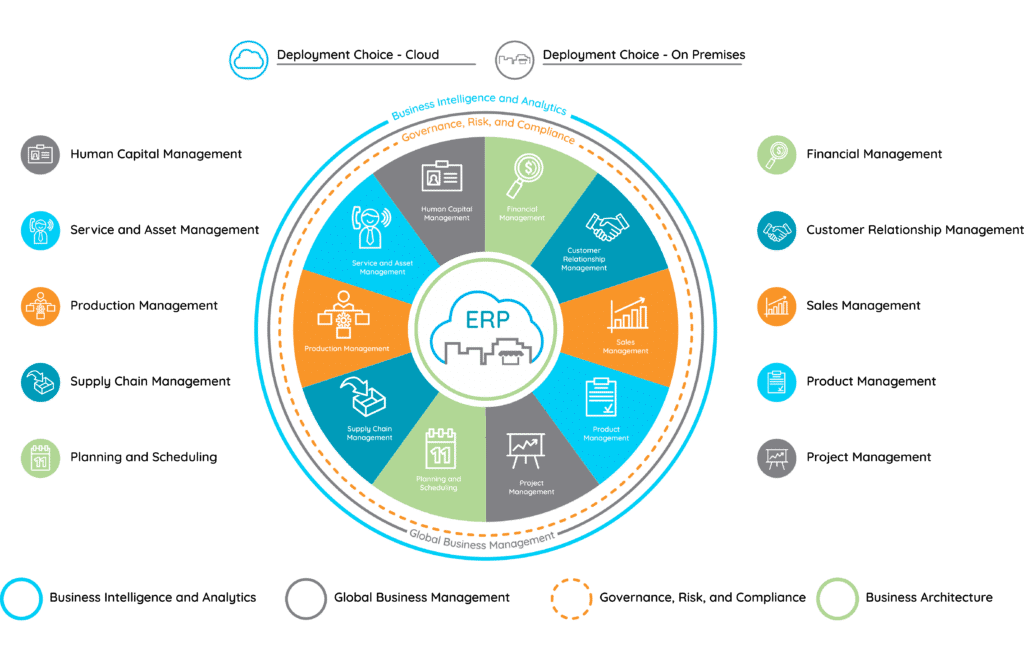
Epicor ERP solutions are designed to address the essential functions of all enterprises, small to large.

Are you interested in attending Epicor Insights 2018?

Here are some tips and suggestions to address in a justification letter to present to management when seeking approval to attend:

  • Compile a list of specific session topics, speakers, and other attendees that can speak directly to challenges your company is currently facing.
  • Compare the cost of outside or on-site consultants versus the conference fee. Your meetings with subject matter experts and class time are included in the overall attendance price!
  • Explain your networking strategy with other Epicor customers and experts and link this to company areas of interest, specific projects, or implementations.

Additional talking points to justify your attendance can include:

  • A Focus on user efficiency and education, as well as cost savings, is provided by interactive lab sessions with Epicor product experts.
  • Details regarding how you will implement at least one performance change based on what you’ll learn at the conference
  • Documenting or highlighting specific savings associated with past attendance from a colleague or you personally.
  • Form execution teams after the event, distribute the information, act on it, and follow up.
  • A plan to train others and deliver a presentation to co-workers based on what you learned at Insights.
  • The networking components of attendance and professional contacts that you can consult long after the conference ends.
  • Detailed calculation of the cost of your independent research vs. getting real-time solutions at the conference.
  • An outlined schedule of one-on-one meetings with Epicor executives, senior managers, and product experts during the  20-minute meeting sessions is provided in a special briefing room format.

Encompass Solutions Customer Appreciation Mingle

If you plan to attend Insights 2018 and wish to join us for the Encompass Customer Appreciation Mingle on Wednesday, May 23 from 5:00 pm to 7:00 pm at the Opryland Delta Pavilion Gazebo, you can RSVP below. We hope to see you there!

About Epicor

Epicor aims to provide the most powerful ERP capabilities alongside accessibility to innovate how ERP is used, deployed, and managed by businesses. According to the company, this goes beyond reinventing interfaces and focuses more on the relationship between ERP systems and people. By removing the barriers standing between business and information, Epicor minimizes the steps taken to gain actionable insights and drive growth.

About Encompass Solutions

Encompass Solutions, Inc. is an ERP consulting firm and Epicor Platinum Partner that offers professional services in business consulting, project management, and software implementation. Whether undertaking full-scale implementation, integration, and renovation of existing systems or addressing emerging challenges in corporate and operational growth, Encompass provides a specialized approach to every client’s needs. As experts in identifying customer requirements and addressing them with the right solutions, we ensure our clients are equipped to match the pace of the Industry.



Implement Epicor ERP

To scale operations alongside the company’s recently enjoyed growth, Metaphase has contracted the services of Encompass Solutions to implement Epicor ERP, train staff, and support operations through Go-Live and beyond. With the project plan finalized, implementation, testing, and user training are projected to be completed by the end of this year. Find out why Metaphase chose Encompass Solutions to implement their ERP solution in our interview with Metaphase President Kevin High, here.

The Project

Metaphase Technologies Inc. is a leading manufacturer of machine vision and specialty LED lighting.  They develop products that advance “The Quality of Light” through the engineering and manufacturing of LED illuminators for machine vision, military, and specialty lighting applications.  Because Metaphase is projecting another year of 20% growth, they require a system that supports its growth without the necessity of increasing its labor force.

The Challenge

Currently, Metaphase Technologies operates on IQMS ERP and are looking to replace the system due to its labor-intensive nature.  Most of Metaphase Technologies’ production is manual, but it is necessary to scan in and out of those processes on the shop floor.  Quality is critical to their business; therefore, quality checks are performed when materials are received, during the manufacturing process, and before shipping. Because Metaphase Technologies ships its products globally, multi-language support is essential. Additionally, the ability to price for shipping companies, integrate UPS and FedEx into the system for customer information, and maintain the applicable rates in real time is essential to the project’s success.

The Goals

Metaphase Technologies will be implementing their Epicor ERP solution with the following goals in mind:

  • Efficiently managing global business operations
  • Providing better information to make more informed decisions
  • Supporting Engineer-to-Order Manufacturing (ETO)
  • Providing visibility to manage and track costs to measure and improve profitability
  • Supporting traceability requirements for warranties and material tracking
  • Growing revenue and profitability

The Metaphase Technologies team will be taking advantage of this project to review and update business processes while leveraging standard software capabilities whenever possible. Additionally, there is a desire to streamline ETO processes through the use of technology.

About Metaphase Technologies

For more than two decades, Metaphase Technologies has been developing products that advance “The Quality of Light” through the engineering and manufacture of uniform diffuse high brightness and ultra brightness LED illuminators. Metaphase’s illuminators are specially designed for applications in machine vision, military, and specialty lighting. Metaphase boasts expertise in engineering flexible lighting solutions for ease of integration into vision systems design. The company’s LED illuminators are currently utilized in thousands of applications throughout the world, including vision-guided robotics, automation systems, line scan inspection units, and many others across the machine vision industry.

Metaphase Technologies Selects Encompass Solutions For Epicor ERP Implementation

As the first to standardize built-in constant current drivers, Metaphase continues to synergize cutting-edge machine vision LED lighting & control technologies to simplify innovation and increase customer return on investment.

About Encompass Solutions

Encompass Solutions is a business and software consulting firm specializing in ERP systems, EDI, and Managed Services support for Manufacturers and Distributors. Serving small and medium-sized businesses since 2001, Encompass modernizes operations and automates processes for hundreds of customers across the globe. Whether undertaking full-scale implementation, integration, and renovation of existing systems, Encompass provides a specialized approach to every client’s needs. By identifying customer requirements and addressing them with the right solutions, we ensure our clients are equipped to match the pace of the Industry.


Doxsteel Fasteners recently achieved a significant milestone in bringing its Mexico-based operations up to speed with a complete implementation of Epicor version 10 software and user training for their Mexico-based teams. Skilled consulting, implementation, and training services provided by Encompass Solutions, Inc. ensured the project was a success.

The Project For DoxSteel Fasteners

Up to the point of implementation, Doxsteel Fasteners had been utilizing Microsoft Excel to manage their business. Because of the technological limitations of their current system and the company’s rapid growth, Doxsteel Fasteners had outgrown the capacity and functionality of the software.

Doxsteel Fasteners had spent the previous 9-10 months unsuccessfully implementing another ERP solution due to challenges related to the inexperience of internal resources with ERP functionality and understanding business requirements, as well as the level of support from the assigned consulting team.

Taking these specific details into consideration, Encompass Solutions, Inc. was tasked with performing an effective business process review, recommending the best course of action, and executing the implementation and training necessary to achieve Doxsteel’s desired outcome.

The Details

  • 30 Concurrent Office Users
  • 20 Concurrent Data Collection Users
  • Multi-tenant SaaS
  • Implemented in approximately 4 months

The Challenge

The challenge this project posed was introducing an ERP system in a very manual environment that used handheld hardware and FTP for export invoice approval by authorities. A bilingual Operations Manager would need to facilitate training while new processes would need to be learned by rote on the plant floor. Forms, reports, and labels would need to be created separately for each language, as well.

The Goals

Doxsteel Fasteners implemented their Epicor ERP solution with the primary goals of:

  • Automating costly manual processes to eliminate inefficient processes.
  • Improving project planning, forecasting, and customer sales management.
  • Providing better information to make more informed decisions.
  • Providing visibility to manage and track costs to measure and improve profitability.
  • Growing revenue and profitability.

The Results 

The training was conducted with bilingual ESI consultants, both in the Financial and Operations segments, side-by-side with the client’s Subject Matter Experts who were familiar with Epicor and US operations. On-site support both for Go Live and afterward was critical to the success of the project, which finished on time and under budget.

The Next Steps

The Doxsteel Fasteners team will be taking advantage of this project to review and update business processes while leveraging standard software capabilities whenever possible.  The recommended business process workshops will address some of the additional challenges facing them today with visibility of data, consistent and accurate information, and a reduction in redundancy of data entry.

About Doxsteel Fasteners

Doxsteel Fasteners, a company consisting of two legal entities under one ownership with facilities in Toluca, Mexico, and The Woodlands, Texas, provides scientifically proven safer and cost-effective fasteners resulting from rigorous research and development efforts. Doxsteel Fasteners’ mission is to revolutionize bolt theory and practice in the fastener industry. It is the company’s goal to consistently conceptualize and deliver safer, less expensive, and more scientifically sound bolts to the industry.

About Encompass Solutions

Encompass Solutions is a business and software consulting firm specializing in ERP systems, EDI, and Managed Services support for Manufacturers and Distributors. Serving small and medium-sized businesses since 2001, Encompass modernizes operations and automates processes for hundreds of customers across the globe. Whether undertaking full-scale implementation, integration, or renovation of existing systems, Encompass provides a specialized approach to every client’s needs. By identifying customer requirements and addressing them with the right solutions, we ensure our clients are equipped to match the pace of the Industry.


As if the news of US-imposed tariffs on imported steel and aluminum didn’t upset a large enough portion of beverage manufacturers already, the most recent developments in US-China trade have left winemakers, along with US-based manufacturers of 127 other products, with a sour taste in their mouths.

Earlier this year, the White House sought to enact tariffs on countries it had described as taking advantage of the US trade policy for some time. To revitalize US-based metals manufacturing, the order to formally enact tariffs on steel and aluminum imports, as high as 25 percent and 10 percent respectively, was signed last month.

A photo of a metal foundry at night, one of the largest industries affected by US-China Trade.

The Order To Formally Enact Tariffs On Steel And Aluminum Imports, As High As 25 Percent And 10 Percent Respectively, Was Signed Last Month.

The move will ideally lead to an injection of investment and job growth in the sector, according to supporters of the decision.

Food and Beverage Manufacturers Believe Things Will Get Worse Before Getting Better

Consumer packaged goods (CPG) manufacturers, on the other hand, have voiced serious concerns over the expected rise in costs and job losses resulting from the tariffs. Campbell Soup, Craft Heinz, Coca-Cola, and AB-InBev are among the largest companies broadcasting dire predictions. The craft beer industry, which has seen tremendous growth in the US over the last five years, is also expected to suffer serious ramifications to canning and racking operations. non-alcoholic beverage manufacturers, who have been enjoying a marked increase in popularity over the last several years, will no doubt be adversely affected by the imposed tariffs. It remains to be seen how the policy will affect the future of such niches.

US-China Trade Siphoning Beer’s Bottom Line

To begin, higher packaging prices are sure to increase prices for consumers; however, the impact could reach well beyond higher costs in the grocery aisle. According to Jim McGreevy, Beer Institute President and CEO, “this 10% tariff will create a new $347.7 million tax on America’s beverage industry, including brewers and beer importers, and result in the loss of 20,291 American jobs.”  A frightening prospect, especially for those small and medium enterprises struggling to make their way in the craft brewing sector.

an image of canned beverages, signifying the aluminum industry, one industry affected by US-China Trade.

Beverage Manufacturers And Packaging Operations Will Be Significantly Affected By Aluminum and Steel Tariffs.

58 percent of the 2.1 million tons of tinplate used in the US last year, an insufficient amount of which is produced in the U.S according to a Campbell Soup representative, was produced in the US. CPG manufacturers will likely end up paying 10 percent to 25 percent more on the remaining 42 percent being imported because of the new tariffs.

While large food and beverage manufacturers will be able to offset the increase in costs through consumers, distributors, and retailers, smaller operations will bear the brunt of the import taxes, making growth amid volatility the latest of many challenges.

Winemakers Feeling The Squeeze Of US-China Trade

The latest response from China places the US wine industry in a position to bear a substantial impact on the back and forth between the world’s two largest economies. All this comes following the announcement earlier this year of reduced excise taxes on winemakers, distillers, and brewers that had these small and medium enterprises especially optimistic about the future of their operations.

A picture of barrels in the wine cellar, one industry affected by US-China Trade.

Wine Inventory Is Sitting In Warehouses Across The Country, Waiting For Some Resolution To The State Of US-China Trade.

The new tariffs for wine can reach just as high as those imposed on imported steel by the US, 25 percent. As a result, inventory is sitting in warehouses across the country, waiting for some resolution to a spat that will have an impact that reaches farther than the vineyard. While wine exports to China account for roughly 5% of the market, or around $79m, winemakers are keeping a close eye on developments. Wine consumption in China has increased by 500% since 2000 and shows no signs of slowing down. This is further impacted by the dry spell of sorghum-based Maotai, the country’s most popular spirit.

In Napa Valley, Chinese wine tourists make up the majority of visitors, as well, with 20% of guided tours being booked in Mandarin. The figure will no doubt also be impacted by fewer Chinese wine drinkers being exposed to the varieties produced by US growers and winemakers. In a landscape dominated by French wines for decades, American wines had been in a state of perpetual grind to break into the Chinese market. Now, with the headway made over the last two decades threatened by a potential 25 percent import tax, inroads made into the Chinese wine market run the risk of drying up.

About Encompass Solutions

Encompass Solutions is a business and software consulting firm specializing in ERP systems, EDI, and Managed Services support for Manufacturers and Distributors. Serving small and medium-sized businesses since 2001, Encompass modernizes operations and automates processes for hundreds of customers across the globe. Whether undertaking full-scale implementation, integration, and renovation of existing systems, Encompass provides a specialized approach to every client’s needs. By identifying customer requirements and addressing them with the right solutions, we ensure our clients are equipped to match the pace of the Industry.


Adopting ERP Solutions

Small and medium enterprises (SMEs), also often referred to as small and midsize businesses (SMBs), have a tremendous advantage over larger enterprises and many don’t even know it. Because of SMEs’ energy and agility, they are more able to adapt to changes in the marketplace, implementing and adopting ERP solutions and emerging technologies to give them an operational advantage over larger enterprises.

SMEs are not subject to the same bureaucratic processes that corporations and other large enterprises have adopted over the years. Winning customers over with a more modern sensibility and customer-centric approach, SMEs can perform when they need to and turn on a dime when the market demands it. With larger enterprises, the adage of a big ship taking longer to steer fits appropriately alongside industry examples. Their size makes them far more able to weather storms, but less capable of maneuvering. Therefore, SMEs should be adopting ERP solutions and modern automation tools to make their jobs easier now, before their current systems are outgrown at a time when operations can’t afford to be put on hold for implementation.

an image of disorganized wooden drawers.

The Transition To Effective ERP Solutions Only Gets More Complicated And Costly As Your Enterprise Grows.

Implementing these time and resource-saving tools enables SMEs to compete at an accelerated rate. Critical as they may be, the computer systems and software needed to run a successful enterprise of any size are often overlooked components. Amalgamated systems, pieced together from a large swath of vendors, may work for a business at one time and place, but eventually, a unified system is necessary to ensure productivity and survivability as an enterprise grows in tandem with its customer base. Employing these solutions will reduce wasted labor and streamline efforts, allowing departments to work together with the same data, rather than against each other in siloed systems.

Defining Processes With ERP Systems

There will come a time when the c-suite or upper-level management will identify the need to implement an ERP system. Initially serving enterprises as a financial visibility tool, ERP systems have grown to encompass so much more. Now businesses can implement systems that grow alongside their business with modular capabilities that allow them to implement beyond the core system functionalities. A good ERP system will provide data storage and visibility, manufacturing execution, supply chain management, human capital management, and a quote-to-cash process that takes minutes compared to the antiquated manual approach of the sales cycle. These are just a few of the core competencies of a modern ERP, add to that mobile capability and cloud agility and workforces can utilize these powerful systems remotely or on-site from the shop floor to the boardroom to ensure their operations are running as smoothly as they can.

Cleaning Up The Clutter

SMEs are known for being a medley of paper systems and software applications that allow them to operate with a separate solution for each need. As different departments operate within their systems, they are missing out on the benefits of sharing data with other components of the business operations. Synchronized communication and data visibility cut down on operational lag that results from data being strewn about. Your company’s IT department probably knows the scope of servers, databases, and operating system hindrances as a result. By implementing an effective ERP solution, your business can more appropriately connect its people, processes, and systems to ensure vital data is stowed, prepared, and available in real time.

an image of a cleaning crew sweeping into a dust pan.

Get Rid Of The Clutter. The New Broom Of ERP Sweeps Clean.

Managing Human Processes Using Automation and ERP

Like most SMEs, the workforce is always pushed to perform on a lean pool of resources. It’s not inherently a bad way of operating, but when vital people fall ill, take their vacation time, or up and leave at a crucial time, likely, their work can’t be taken up quickly by someone else because of poorly organized systems that make their core processes and the associated data systems available. When these processes are confined to spreadsheets, the task of making sense of it all when critical personnel is absent becomes an even larger hurdle. Getting rid of the manual calculations associated with data input and output through the business’ many systems. ERP addresses this by taking over the mundane and repetitive calculations required, effectively ending the need for relying on less robust solutions, like Excel.

Man stacking a tower of wood blocks with human silhouettes, human resources and management concept.

Human Capital Management Is Much Easier With The Tools Provided By ERP Solutions.

The Data You Need, Now

With size comes a divide in how the way upper management interacts with the workforce. As the distance between management and day-to-day operations increases, ERP bridges the gap with increased visibility. Reposting becomes the window through which management sees the company’s performance. ERP systems are especially suited to deliver quality reporting for accurate performance data today and accurate forecasting tomorrow and beyond. Beyond boilerplate standards, adopting ERP solutions can deliver custom reports based on the data points managers want to see in any given instance. Consultants and developers can assist in further enhancing customizations within ERP systems.

a photo of charts and graphs on a tablet with printed data sheets on a table.

Get The Data You Need To Refine Processes And Increase Production In Real-Time With ERP.

Outpace The Race

With the time invested in reporting brought down significantly through effective ERP solutions, the error-prone and time-consuming task of data entry and location becomes a less obtrusive task. Businesses can more easily scale at pace with the industry as a result. The dependable routine that effective ERP solutions provide offers financial reporting and processes that companies can rely on as they grow. dependable systems and accurate automation through ERP systems enable expansion and additional staff to be brought on and up to speed, faster.

About Encompass Solutions

Encompass Solutions is a business and software consulting firm specializing in ERP systems, EDI, and Managed Services support for Manufacturers and Distributors. Serving small and medium-sized businesses since 2001, Encompass modernizes operations and automates processes for hundreds of customers across the globe. Whether undertaking full-scale implementation, integration, and renovation of existing systems, Encompass provides a specialized approach to every client’s needs. By identifying customer requirements and addressing them with the right solutions, we ensure our clients are equipped to match the pace of the Industry.


Manufacturers are implementing technological advancements to enhance automation processes every day. We call this latest wave of rapid development Industry 4.0, the fourth industrial revolution. While modernization presents numerous opportunities for growth and process enhancement, experts are increasingly aware of their need for heightened security in an increasingly insecure digital landscape. Manufacturing and other industries are taking a closer look at cloud-based ERP and unified systems to address vulnerabilities.

IIoT Network Security Threats And How To Protect Operations

Over the last 10 years, system control integrators and industrial automation thought-leaders have sought to address what they’ve identified as the chief IIoT network security concerns. Manufacturing operations in the US and abroad have suffered a significant increase in disruption due to cyber threats and the trend appears to be steadily increasing. In 2013, of 257 total cybersecurity incidents, critical manufacturing comprised 15% of all attacks. That number rose by 12% in 2015, and another 6% to 33% of all incidents in 2015.

A picture of digital devices on a table connected through a chain of paper clips.

Manufacturing And Other Industries Are Taking A Closer Look At Cloud-Based ERP And Unified Systems To Address Vulnerabilities.

The proliferation of cyber-attacks, as evidenced in Triton, WannaCry, and Petya events, has left the executive suite on edge. According to a recent global survey, conducted as part of the Kroll Annual Global Fraud & Risk Report 2017/2018, 86% of executives put cybersecurity among their top anxieties, which the report refers to as a “new normal”. Seven in 10 of those surveyed in the manufacturing sector reported such an incident, either in the form of information/data theft, fraud, loss, or attack, has taken place within their operations over the last year. The report paid particular attention to organizations’ workforces, which routinely emerge as either paramount security assets or threats. This only highlights the importance of adopting comprehensive approaches to securing resources, equipment, and operational capabilities.

Cyber Arms Race: Cybersecurity IACS/IEC 62443-4-2 Certification

Among the reported incidents over the last 12 months, virus/worm infestations and email phishing scams topped the charts, at 36% and 33% of total incidents respectively. Examples of modern cyber threats, along with how they can be avoided, have been acknowledged by system integrators and cybersecurity professionals in a recent release of training resources from WoMaster, a networking and computing solution provider. Among the topics addressed are accidental unauthenticated access, common attacks experienced by system integrators, and intentional access by hackers who utilize specific skills and tools rank among the most critical concerns. Among these tools and skills are IP Source Guard, Dynamic ARP Inspection, DHCP Snooping, Denial of Service, and Distributed Denial Of Service exploits.

a picture of a hooded individual working at a desktop PC.

The Proliferation Of Cyber-Attacks, As Evidenced In Triton, Wannacry, And Petya Events, Have Left The Executive Suite On Edge.

The series seeks to educate critical manufacturing operators on the nuances of modern cybersecurity, the importance of adopting strict cybersecurity procedures, and conforming to the standards outlined in Cybersecurity IACS/IEC 62443-4-2 Certification. Such standards-based certifications offer economically efficient means of maintaining best practices when it comes to cybersecurity along with tangible benefits to operators and peace of mind for anyone whose data is stored in targeted digital systems.

How Cloud-based ERP Systems Address Security Expenses For SMEs

Cloud-based ERP systems are being relied upon by enterprises of every size more and more as time goes on.  Cloud-based security is perhaps one of the biggest topics surrounding the efficacy of modern ERP systems.

A picture of coworkers in a boardroom around a table.

SMEs Should Take Advantage Of This Highly-Secured Environment To Allow For More Focused Efforts On Growth.

Small and medium enterprises (SMEs), which may not have had much experience with cloud-based software, are typically the most skeptical. This is not to say that security risks don’t exist in the cloud. Security risks are always present. Handling security issues for cloud-based ERP is a challenging and complex process, not to mention costly. However, Cloud ERP providers, such as Epicor and NetSuite, spend hundreds of millions of dollars erecting formidable security apparatuses and maintaining and updating these safeguards regularly. That said, large, international manufacturers tend to keep their ERP systems on-premises, despite ERP providers offering high-level security for their cloud solutions. Solutions that SMEs are generally unable to implement themselves. As a result, it is advisable for SMEs to take advantage of this highly secured environment to allow for more focused efforts on growth. This way, SMEs can more readily compete in a marketplace where they are still considered the underdog.

About Encompass Solutions

Encompass Solutions is a business and software consulting firm that specializes in ERP systems, EDI, and Managed Services support for Manufacturers and Distributors. Serving small and medium-sized businesses since 2001, Encompass modernizes operations and automates processes for hundreds of customers across the globe. Whether undertaking full-scale implementation, integration, and renovation of existing systems, Encompass provides a specialized approach to every client’s needs. By identifying customer requirements and addressing them with the right solutions, we ensure our clients are equipped to match the pace of the Industry.


When it comes to directing the future of a company, CEOs have to understand the necessity and difficulty in choosing the right ERP solution for their business. Not only does the solution need to fit the industry, but it must be one that a workforce can adapt readily to avoid any lull in services being delivered to customers.

a photo of a checklist being marked with a red pen.

The Implementation Journey Is An Exhaustive One And The More Preparation In Place, The Better.

The journey is an exhaustive one and the more preparation that can be put in place prior to an implementation, the more likely your success. To help avoid banging your head against the office wall in frustration, here are a few suggestions that will help ensure you make the right decision when it’s time to upgrade to a quality ERP solution.

Understand The Problem And The Process

Being an executive in-the-know certifies that your positive influence regarding an implementation reaches every level of the organization. A CEO needs to be the first one who knows what the business needs and how the ERP solution addresses those needs. These details need to be clearly articulated to the upper-management, management, and ground-level employees to make certain everyone is on the same page.

Be Involved, Own The Effort

This really can’t be stated enough, as a leader in the company’s direction a forward-thinking CEO should be on board and support the project from day-one with regular check-ups on progression. This doesn’t just ensure your workforce and additional help are on task with implementation, but that the business is in the mindset that this change is happening, it’s good for the future of the company, and everyone is committed to its success. Whether you’re entrusting the stewardship of your implementation to vendors, VARs, consultants or none of these, ownership still needs to come from the heart of the organization.

Know ERP Is A Solution, Not A Magic Wand

While ERP systems can make running an enterprise infinitely easier, these solutions are not a magic wand. ERP systems require users to put in the effort to get the benefits. Realistic expectations are essential when faced with replacing fractured systems and poor data utilization. ERP can streamline your methods and make every process, from quote to cash, a breeze. However, this is true only so long as your enterprise puts the tools to work properly.

Maintain Focus

It may seem like a no-brainer, but ERP implementations are tricky things in that they can easily sprawl into larger projects as time goes on and needs are constantly added to the list of things to address. Being clear about what must happen from day one will ensure that only mission-critical components of an implementation consume your precious time, capital, and labor resources.

Partner With Experienced ERP Professionals

Partnering with a vendor, VAR or consultant can make the difference between a successful implementation and a failure, as they’ve directly participated in several implementation projects. An ERP professional can help guide your business to greater success than if you went alone into the implementation. That’s not to say it can’t be done. However, projects that don’t incorporate at least some level of experienced consultation into the process generally end up costing far more in the long term than they save upfront.

Know Your Partners

If you do choose to bring on outside help for the implementation process, it’s important to be realistic about the timeframe and how well your solution provider understands your goals. After all, the implementation process can span several months, depending on the size of an enterprise, and your organizations will be spending a lot of time working together. An implementation is more than a transaction, it’s a business relationship.

About Encompass Solutions

Encompass Solutions is a business and software consulting firm that specializes in ERP systems, EDI, and Managed Services support for Manufacturers and Distributors. Serving small and medium-sized businesses since 2001, Encompass modernizes operations and automates processes for hundreds of customers across the globe. Whether undertaking full-scale implementation, integration, and renovation of existing systems, Encompass provides a specialized approach to every client’s needs. By identifying customer requirements and addressing them with the right solutions, we ensure our clients are equipped to match the pace of Industry.


The common misconception about automation is that in the long term it will cost more jobs than it creates. The fact of the matter is that this is simply not true. Automation, working alongside effective ERP systems, provides workforces the freedom to become more specialized and efficient. Automation works in tandem with ERP to conserve resources and take the mundane and repetitive tasks out of the picture.

As a result, the human component of businesses can take on more logical, critical thinking-oriented tasks. This adds value to the business by strengthening the quality of care customers receive and nurtures the satisfaction employees receive when they occupy more critical and appreciated roles in their careers.

Automation And Job Creation With ERP Systems

While the technology and machinery associated with automation and ERP systems assume easy roles it the workplace, the more agile and adaptable human is still required to run and maintain them.

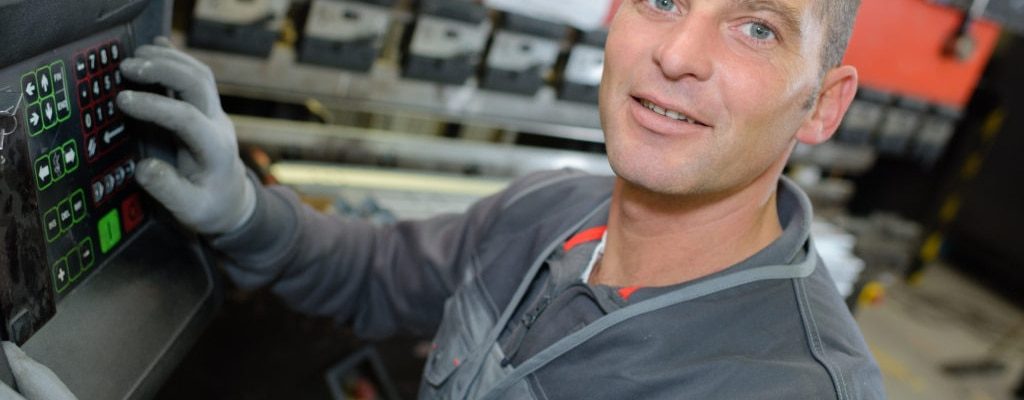
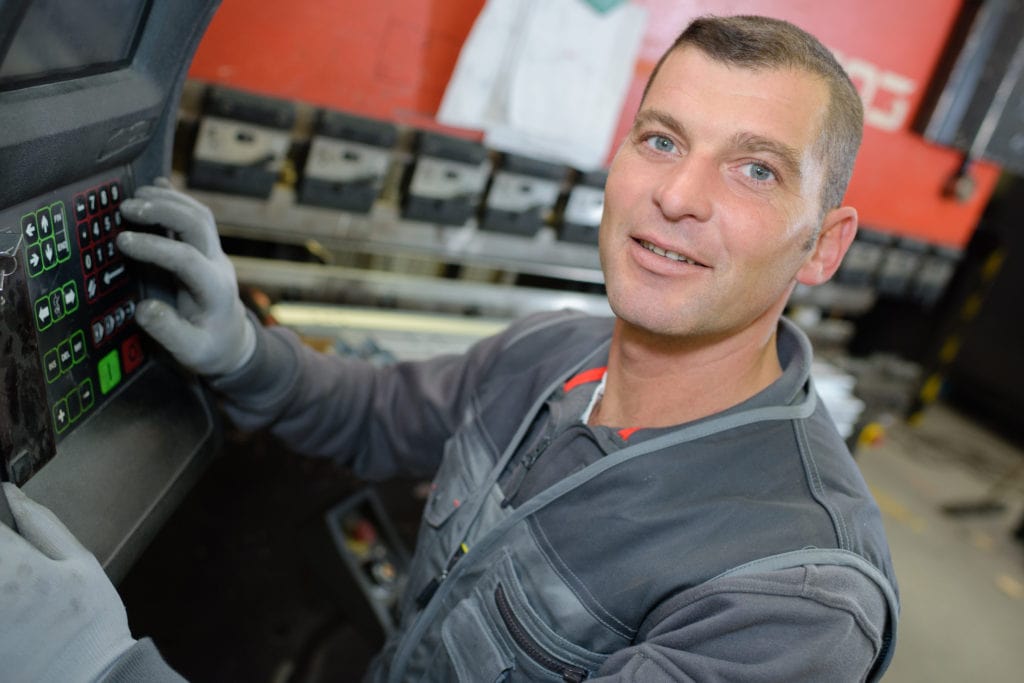
A photograph of a specialized factory worker at an MES interface tied to ERP systems

A Specialized Worker Ensures That The Factory’s Automation Equipment Runs At Peak Performance.

Cotton mills are a prominent example of how technology replaced human labor in the textile industry. While unskilled labor, such as cotton picking was replaced by the cotton gin, the process of refining the picked cotton still required a human touch. Loom operators found their jobs replaced with automated machinery, but those machines too needed to be run and maintained by skilled labor. A loom couldn’t craft a shirt on its own but made the process infinitely more simple and the results were less cost prohibitive for the consumer. This translated into higher demand for cotton goods and more weavers were required to address the demand.

Over the past 150 years, the labor force has thrived alongside the implementation of automation technology, rather than having been hindered by it. The article Automation Technology and Anxiety, featured in Economist, focused on the example of cotton and detailed how the textile became easier by a factor of 50 to produce following the advent of automation technology in the industry. As a result, the cost of cotton plummeted, making goods derived from the textile easier to afford. This increased consumer demand led to a demand for more skilled labor. The article states, “In America during the 19th century the amount of coarse cloth a single weaver could produce in an hour increased by a factor of 50, and the amount of labor required per yard of cloth fell by 98%. This made cloth cheaper and increased demand for it, which in turn created more jobs for weavers: their numbers quadrupled between 1830 and 1900. In other words, technology gradually changed the nature of the weaver’s job, and the skills required to do it, rather than replacing it altogether.” The main takeaway from the passage should be that while the production of coarse cotton became radically easier to produce, job growth in the sector grew by 400 percent in a 70-year period as a result.

A more modern example can be found in Amazon’s headcount statistics. While the company’s fleet of robots has doubled over the last two years, the labor force has only increased over the same period.

Automation And ERP Systems

ERP Systems functions much in the same way, working alongside automated systems in manufacturing. In terms of data management, ERP systems take over repetitive processes and assume these otherwise mundane roles associated with enterprise data to reduce waste and free labor to take on more mission-critical tasks. These streamlined processes end up saving businesses substantial costs in the long term and facilitate growth that scales alongside the pace of Industry.

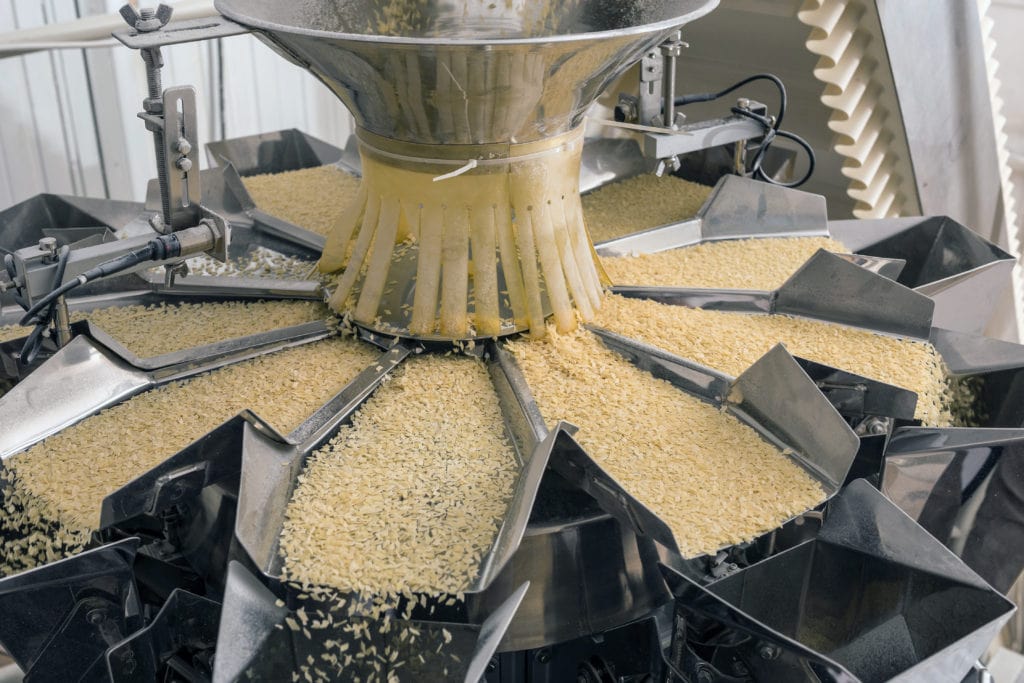
an image of food and beverage manufacturing controlled by erp systems

Automation Takes The Form Of Machine And Digital Processes.

Independent Labor Sources Develop

The independent workforce is another segment of global labor that shows increasing promise in the face of automation, with highly-skilled, highly-educated, and experienced professionals increasingly being sought after by companies that have adopted automation to a high degree. Software engineering, product management, and application development professionals are among the most sought-after independents. Automation plays together with the independent workforce as companies look to supplement their automated systems with independent workers to fulfill highly-specialized roles. Factories may not need the workers they once did thanks to robots and automated assembly, but the gaps in operations, maintenance, and planning leave more than enough room for a more specialized workforce to step in.

The Pains Of Transition

While it’s true the application of automation upsets work roles and employment demographics within the industries where they are applied, the real pains are felt in the short-term transition process. Bhagwan Chowdhry, professor of finance at the University of California, Los Angeles, details what he sees as a necessary shift in paradigm between learning and working to maintain a qualified workforce as automation assumes what has been traditionally referred to as blue-collar jobs.

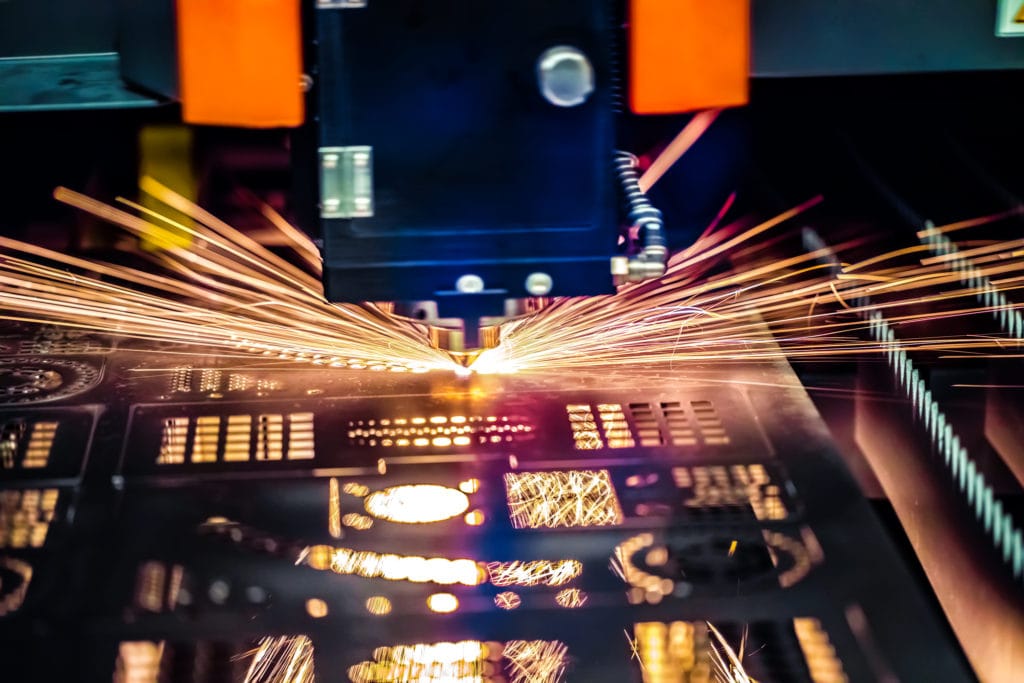
A photo of a CNC machine cutting metal shapes and forms where data is fed from ERP systems.

Modern Automation And Processes Require The Transition Of Workforces from Un-Skilled or Low-Skilled to Highly-skilled.

In an interview with the BBC last year, he offered his thoughts on how to address the need for more specialized labor in the face of automation, “The distinction between work and learning might need to become more amorphous. We currently have a dichotomy where those who work not learn, and those who learn do not work. We need to think about getting away from the traditional five-day working week to one where I spend 60% of my time doing my job and 40% learning on a regular basis.” In short, automation and robots, particularly collaborative robots, are increasingly filling a complementary role alongside workers, rather than one of replacement. The safest route, in terms of ensuring humans have a future in the workforce, is to scale skillsets alongside the technology that enables them the increased time to learn about most technical concepts and roles.

About Encompass Solutions

Encompass Solutions is a business and software consulting firm that specializes in ERP systems, EDI, and Managed Services support for Manufacturers and Distributors. Serving small and medium-sized businesses since 2001, Encompass modernizes operations and automates processes for hundreds of customers across the globe. Whether undertaking full-scale implementation, integration, and renovation of existing systems, Encompass provides a specialized approach to every client’s needs. By identifying customer requirements and addressing them with the right solutions, we ensure our clients are equipped to match the pace of Industry.


Epicor Integrated Service Estimator Promotion

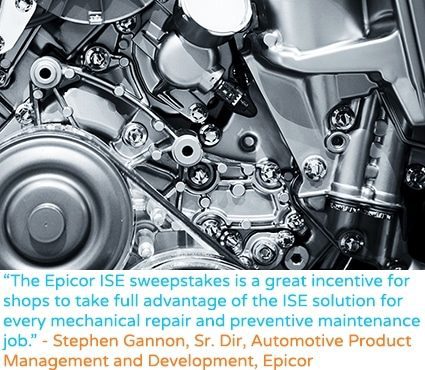
Epicor is happy to announce the winners of the January 2018 Epicor ISE drawing—an ongoing sweepstakes promotion for automotive service providers using the Epicor Integrated Service Estimator (ISE) solution. The contest is co-sponsored by Innova Electronics Corporation. The January first-place prize winner, Dan Pennington of Express Oil Change & Tire Engineers, Tampa, Fla., will receive an Innova 5160 CarScan PRO scan tool, and second-place prize winner Christopher Price of Flagship FastLube, Pearl City, Hawaii, will receive an Innova 5100 CarScan ABS/SRS tool.

“The Epicor Integrated Service Estimator sweepstakes is a great incentive for shops to take full advantage of the ISE solution for every mechanical repair and preventive maintenance job,” said Stephen Gannon, senior director, automotive product management and product development, Epicor. “ISE can help shops of all sizes increase revenue and business efficiency by eliminating time-intensive manual and phone-based estimating and sourcing processes. Congratulations to Dan and Christopher as our latest winners of professional-grade diagnostic tools from Innova.”

Through the promotion, which continues through May 31, 2018, businesses automatically earn one free sweepstakes entry with each order generated and completed through the ISE solution. Epicor will award a professional-grade Innova scan tool to each of two Epicor ISE customers per month. Visit www.epicor.com/ISEsweeps for program rules and alternative form of entry.

Used by thousands of tire dealerships, oil-and-lube facilities, transmission service business, tune-up specialists, and general repair shops, Epicor ISE supplies users with all the necessary information to identify, price, and source any of thousands of replacement parts and accurately estimate labor for virtually any repair or maintenance service job—all without picking up the telephone.

The Epicor ISE solution is powered by the Epicor industry-leading replacement parts database, as well as popular repair and maintenance packages, an aftermarket flat-rate labor guide, OEM-recommended vehicle service intervals information, a VIN decoder, cross-reference parts database, and more. In addition, an optional, mobile “Smart Inspection” feature is designed to improve service bay productivity by allowing technicians to record the condition of key vehicle systems and components during comprehensive, guided inspections. The solution can be used in conjunction with most leading shop management systems or as a standalone business-building tool.

To learn more about the ISE solution and the sweepstakes promotion, contact your Epicor representative or visit www.epicor.com/ISEsweeps.

Posted by the Epicor Social Media Team

About Encompass Solutions

Encompass Solutions is a business and software consulting firm that specializes in ERP systems, EDI, and Managed Services support for Manufacturers and Distributors. Serving small and medium-sized businesses since 2001, Encompass modernizes operations and automates processes for hundreds of customers across the globe. Whether undertaking full-scale implementation, integration, and renovation of existing systems, Encompass provides a specialized approach to every client’s needs. By identifying customer requirements and addressing them with the right solutions, we ensure our clients are equipped to match the pace of Industry.


Metal Tariffs

New metal tariffs on foreign materials are likely going to affect industries that employ millions of Americans. Beverage and robotics manufacturing are just two of the affected industries, but these two will be among the segment most heavily affected by the new tariffs on imported building materials. The metal tariffs recommended by the U.S. Commerce Department apply to aluminum and steel imported to the US from abroad. The tariffs reach as high as 53%, which could pose a big problem for industries relying on these essential metals for manufacturing purposes.

an image of a port where metal tariffs will likely have a massive impact.

New tariffs on foreign materials are likely going to affect industries that employ millions of Americans.

The proposed metal tariffs were submitted by Commerce Secretary Wilbur Ross, effectively giving the president three options to choose from as per Ross’ recommendations. The first option is the broadest and most sweeping, in which Ross recommends the president impose tariffs of 24% on all steel and 7.7% on aluminum imports from all countries. The second is far more specific in whose imports are tariffed the hardest, with Ross’ recommended tariffs of 53% on steel imports from 12 countries, including China, Brazil, and Russia, and tariffs of 23.6% on aluminum imports from China, Hong Kong, Russia, Venezuela, and Vietnam. Ross has gone so far as to supplement these tariffs alongside quotas. Finally, the third option Ross has laid out will impose a quota on steel and aluminum imports from all regions, which will limit countries to 63% of the steel and 86.7% of the aluminum that each had shipped to the United States last year.

The Fear Following Metal Tariffs

While it is surmised that these metal tariffs will prompt a reinvestment into the US metals manufacturing sector, some experts believe the shift could earn the ire of many US trading partners. What if, as some economics and trade experts argue, China decides to place tariffs on US semiconductors or India on food imports from the US? Retaliation is the biggest fear according to these specialists beyond the notion that the tariffs will upset the current climate of international trade. Not to mention, most of the US metals importuning comes from valued trading partners and allies not targeted specifically by Ross’ proposed tariffs, like Canada.

US Metal Manufacturing

In the last 18 years, nearly the same number of aluminum smelters have closed their facility doors in the US. Currently, there are only two aluminum smelters running at capacity, with three others in the US operating at partial capacity. On the other hand, steel has enjoyed a bit of a bounce back. Market leaders in metals, like Alcoa and Nucor, are optimistic at the possible shit as it will likely inject US metals manufacturing with some desperately needed vigor. Share prices of US steel and aluminum smelters have surged following the announcement of the proposed tariffs. However, the rally may be premature if the president decides to explore an alternative route in addressing the undermining of domestic metals production.

Nevertheless, Alcoa has announced plans to restart a smelter in southern Indiana by mid-2018. Southeast Missouri may find one if its dormant smelters resurrected, pending negotiations of an electrical supply contract with local utility company Ameren Missouri. While the news for metals manufacturers leaves room for optimism, the state of metals manufacturing has been sorely outpaced by producers like China, which operate many modern facilities that make the processes cost effective. Without significant modernization efforts on top of the revitalization of metals manufacturing in the US, the long-term efficacy of these efforts remains to be seen.

The State Of US Robotics In The Face Of Metal Tariffs

When it comes to the robotics manufacturing industry, the US is a global leader in the field. Innovating creations in every sector from defense and medical applications to the automated manufacturing of confections, the state of robotics has never been more fruitful for the US. However, robotics is an industry that relies heavily on the supply of steel and aluminum as the two metals make up the bulk of manufacturing materials in building robots and robotic components.

The tariffs could significantly increase the costs of innovation at while production gains momentum among competitors abroad. Elsewhere in the world, US competitors in robotics will likely continue to make headway and possibly outpace the US manufacturers forced to adapt to a much different landscape when it comes to materials availability. The imposing of tariffs could additionally upset last year’s optimistic forecast that the metal fabrication robotics market is set to grow at a compound annual growth rate (CAGR) of 18.5% over the next three years.

How Brewers And Canners Are Affected By Metal Tariffs

Breweries and canned food companies are two more industries that are expected to be affected by the move, as they rely heavily on imported metals for the packaging of their products. The resulting tariffs, if accepted will not only raise the prices of canned goods but could significantly increase the cost of beer should breweries decide to abandon canning altogether and go to the bottle.

The two different packaging systems require entirely different mechanical apparatuses, which cost tens if not hundreds of thousands of dollars to implement operate and maintain for brewers. The result is a more costly six-pack, despite what the container is made of.

About Encompass Solutions

Encompass Solutions is a business and software consulting firm that specializes in ERP systems, EDI, and Managed Services support for Manufacturers and Distributors. Serving small and medium-sized businesses since 2001, Encompass modernizes operations and automates processes for hundreds of customers across the globe. Whether undertaking full-scale implementation, integration, and renovation of existing systems, Encompass provides a specialized approach to every client’s needs. By identifying customer requirements and addressing them with the right solutions, we ensure our clients are equipped to match the pace of Industry.

1 18 19 20 21 22 26