The South Dakota versus Wayfair, Inc. Supreme Court ruling has had a significant impact on businesses all over the United States. The decision effectively overturned a longstanding physical presence rule (Quill Corp. v. North Dakota) for determining when a state can make remote sellers collect sales tax.

The Supreme Court ruled on July 21, 2018, and, as a result, South Dakota is granted authority to impose sales tax obligations on out-of-state transactions.

 

a picture of a gavel on a pile of money as the SCOTUS has ruled on South Dakota v. Wayfair, Inc.

South Dakota v. Wayfair, Inc. will have far-reaching implications for businesses operating remotely throughout the United States.


In short, sales tax makes up more than 40% of South Dakota’s revenue. The Supreme Court judged it to be unfair that e-commerce and remote sales should be able to avoid the sales tax that can generate as much as $14bn for states annually.

The ruling aims to level the playing field between non-collecting e-commerce and remote sellers and brick-and-mortar businesses.

Overturning Quill Corp. v. North Dakota

The decision of this 1992 ruling effectively prevented states from collecting any sales tax from retail purchases made over the Internet or other e-Commerce routes, unless the seller had a physical presence in the state. Due to the rapid expansion and increased prevalence of e-commerce and remote sellers, the decision to exempt these businesses from paying sales tax no longer made sense and worked to the detriment of states in which those businesses conduct sales.

“Because the physical presence of Quill is unsound and incorrect, Quill Corp. v. North Dakota, 504 U.S. 298, and National Bellas Hess, Inc. v. Department of Revenue of Ill., 386 U.S. 753, are overturned.” SOUTH DAKOTA VS. WAYFAIR, INC., ET AL. NO. 17-494. ARGUED APRIL 17, 2018 – DECIDED JUNE 21, 2018

Who Is Affected By The South Dakota v. Wayfair, Inc. Ruling

The recent decision directly affects several nationwide sellers. In particular, the decision affects remote sellers not currently registered with the state who meet threshold requirements. Those threshold requirements are:

  • Annual sales over $100,000 or 200 transactions into South Dakota

The ruling does not affect any business already registered and collecting sales tax in South Dakota. Those businesses will be grandfathered in under the new ruling.

It is important to understand that this ruling applies to both online and offline sales. Anyone conducting cross-border sales with South Dakota is bound by the new ruling.

The ruling does not change what is or is not taxable, either. Rather, it is establishing that a physical presence is no longer the criteria by which the state decides who collects sales tax. Services, not just tangible goods and personal property, fall under the new rule. This ruling will apply to manufacturers and wholesalers who sell direct to consumers, too.

Exemption certificates will be available for those businesses selling business to business (B2B).

South Dakota v. Wayfair, Inc. Setting Precedent and Economic Nexus

To begin, understanding the definition of economic nexus will help businesses realize what this ruling does in terms of setting precedents for other states that choose to implement the same requirements.
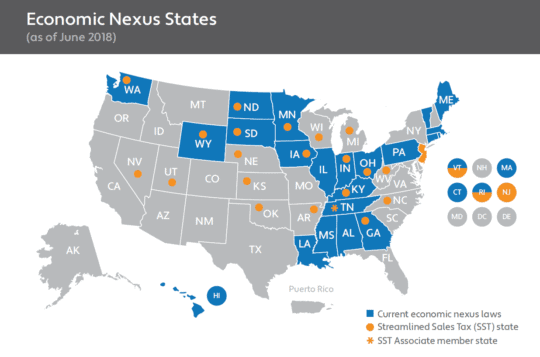
an infographic map showing economic nexus states following the South Dakota v. Wayfair, Inc. ruling

Infographic provided by tax compliance experts, Avalara.

Economic Nexus is a tax collection obligation imposed on sellers based on their level of economic activity within a state. Unlike physical presence, it is based entirely on sales revenue, transaction volume, or both.

These rules vary from state to state. With the recent ruling setting a threshold in South Dakota, it will likely lead other states to utilize the precedent and use the same threshold at a minimum.

What You Can Do

First, don’t panic. Contact your SALT CPA or attorney tax advisor and seek counsel on all nexus-related requirements and law. If you don’t have one, our partners at Avalara are among the best when it comes to tax compliance and they have an extensive directory of tax experts and SALT CPAs who can work with you to get things in order.

You can leverage Avalara Tax Advisory Services (TAS) to:

  • Determine where you have nexus
  • Get ongoing monitoring services to see when new nexus is established
  • Register in new jurisdictions
  • Navigate tasks related to establishing new nexus

For an easy reference, download this 2018 Mid-Year Sales Tax Changes whitepaper from Avalara. Inside, you’ll find many details surrounding recent tax changes that could directly affect your business as well as how you can address the best approach to resolve any identified issues.

About Avalara

Experts in all things revolving around tax compliance Avalara makes tax compliance easy and efficient, enabling you to do what you do best without constantly worrying about rate changes or filing deadlines.

About Encompass Solutions

Encompass Solutions, Inc. is an ERP consulting firm and Epicor Platinum Partner that offers professional services in business consulting, project management, and software implementation. Whether undertaking full-scale implementation, integration, and renovation of existing systems or addressing emerging challenges in corporate and operational growth, Encompass provides a specialized approach to every client’s needs. As experts in identifying customer requirements and addressing them with the right solutions, we ensure our clients are equipped to match the pace of the Industry.



Right now, employment in the US is the highest it’s been in over a decade. That has put a lot of businesses in a tough position when hiring talented employees. More and more businesses are running into the same problem: lack of availability of capable manpower. With so much competition, your business may want to consider going down a more progressive route.

By implementing automated processes made possible with ERP software, your business can avoid the resource-intensive undertaking of searching for, hiring, and onboarding new talent in a competitive labor market. Getting rid of the mundane and repetitive tasks on your back-end will free up your workforce to take on more customer-focused tasks, ensure your business is positioned to adapt to a sudden change in your business environment, and improve your bottom line without sacrificing headcount or quality customer experiences.

Addressing Labor Market Constraints

While low unemployment is great for job-seekers, it puts businesses in a tough position when hiring new talent to help their operations expand. Couple that with employees having more bargaining power in the workplace and it’s clear that businesses not only need to improve their benefits but their environment, as well. One of the easiest ways to address the trend is to automate processes. This will free up your employees to take on more creatively demanding and fulfilling roles within the workplace. This not only allows the employee to take on more significant tasks within the organization, but also grow professionally and receive compensation worthy of their increased responsibility and skill set. As a result, their time is more valuable and the work they produce for the company is valued more highly in the eyes of customers.

Combining Process Automation With ERP

One of the biggest buzzwords to come out of Industry 4.0 is Robotics Process Automation (RPA). However, the misleading name is enough to turn off even those who can benefit from it the most. RPA doesn’t involve any robots or mechanical components. Not only this, but it applies to just about any business that deals with ordering, invoicing, and data entry.

an image of light beams cnnecting at points across a city at night.

Let’s break it down by definition:

  • Robotic – an entity being programmed by a computer to complete complex tasks. In this case, the term refers to mimicking human actions.
  • Process – A sequence of steps leading to a meaningful activity or task.
  • Automation – when a task happens automatically, i.e. without human intervention.

RPA is a business process automation technology that automates tasks through the interface a company uses to enter data in the back-end of their operations. In short, RPA initially watches a user perform a task in the GUI, then automates that task and performs it autonomously. One common application can be found in identifying important attachments in emails, like an invoice, extracting that data, and then entering it into the company bookkeeping system. This all happens automatically and in a fraction of the time, it takes a human worker to complete manually.

The Impact of RPA On Employment

While it’s no secret that many workers are skeptical of automation and fear it can lead to layoffs, the incorporation of such technology has had the opposite effect according to a study conducted by the London School of Economics. The study found that rather than a decrease in the workforce, employees were able to achieve greater productivity and work completed with the same number of people.

The same study also found that RPA technology enables repatriation of processes in the workplace, allowing companies to bring processes back to their home soil, rather than outsourcing business processes to cheaper labor markets abroad.

The Impact of RPA on Employees

A company’s greatest resource is its employees and anything a business can do to retain top talent is in its best interest. RPA directly contributes to the benefit of employees by implementing practices that reduce the stress of a cluttered and over-managed environment. Here are a few examples:

Reduction in human error – When RPA takes over the mundane and tedious tasks involving data entry, there are far fewer instances of human error leading to blockers and errors on the paperwork that must then be re-evaluated and re-submitted. With the risk of human error substantially diminished, your employees spend less time going over the same data they’ve already entered and less time thinking about what might have gone wrong after the fact. A more precise and automated workflow allows your employees to spend more time fretting and overdelivering the best service to your clients.

Employee Empowerment – One of the biggest challenges in retaining top talent is providing these individuals and teams with the ability to share innovative ideas and creative solutions to business challenges, have their voices heard, and directly impact the future of their company. They want buy-in and the ability to pursue their full potential within the company. Give them the opportunity by getting rid of the tedious tasks that can suck up most of their day with an automated workflow process.

Organization Of Your Organization – When your workflow and document management are automated, there are far fewer instances of lost documents or searching through the system for the latest iteration. The organization is one of the many byproducts of RPA. When employees aren’t spending the time to track down documents between departments, more time is made available for employees to take a measured approach to more critical tasks with more time to collect, plan, and strategize, or fit in a personalized call to a new customer or prospect you’ve been working on.

Internal Communication Improves – When the opportunity for employees to lose documents or impact another worker’s tasks is removed from the equation, relationships between coworkers improve and productive communication becomes the norm. Cleaner data and better access to their colleagues ensure that your employees have what they need to do their jobs correctly and well. Workflow automation lends itself to effective monitoring of tasks as well, so looming deadlines and tasks past due don’t contribute to office stress levels.

With improved confidence and a new sense of ownership resulting from RPA and an effective ERP software solution, both employees and businesses benefit. The result is a better service, better product, and better working environment, which pleases everyone from the management to the employee to the customer.

About Encompass Solutions

Encompass Solutions, Inc. is an ERP consulting firm, an Epicor Platinum Partner, and NetSuite Solution Provider that offers professional services in business consulting, project management, IT support, and software implementation. Whether undertaking full-scale implementation, integration, and renovation of existing systems or addressing emerging challenges in corporate and operational growth, Encompass provides a specialized approach to every client’s needs. As experts in identifying customer requirements and addressing them with the right solutions, we ensure our clients are equipped to match the pace of the Industry.
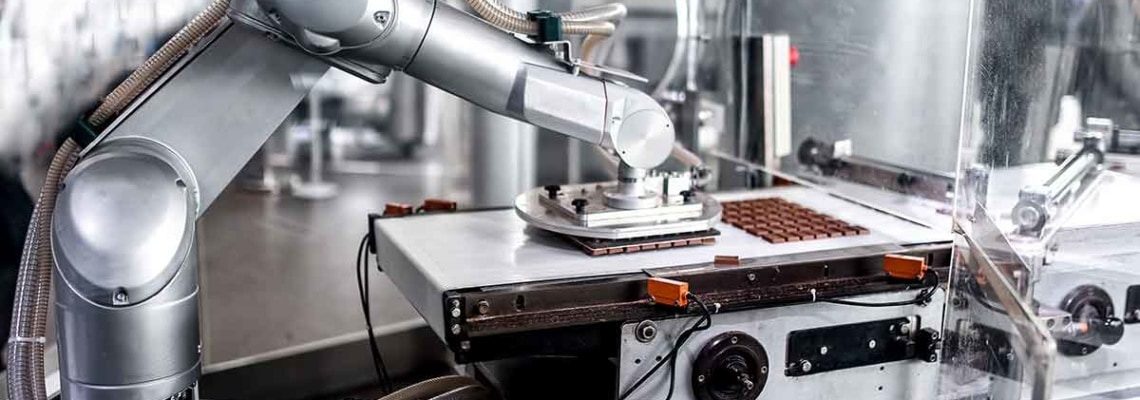

Automation is hitting the food and beverage packaging industry hard, with a recent report from the Association for Packaging and Processing Technologies revealing half of the companies it surveyed substantially increased plant automation over the next three to five years. That said, those food and beverage manufacturing professionals surveyed admitted that while they knew automation had to be adopted, they didn’t know where to begin when it came to the implementation of robotics, automation, or ERP software.

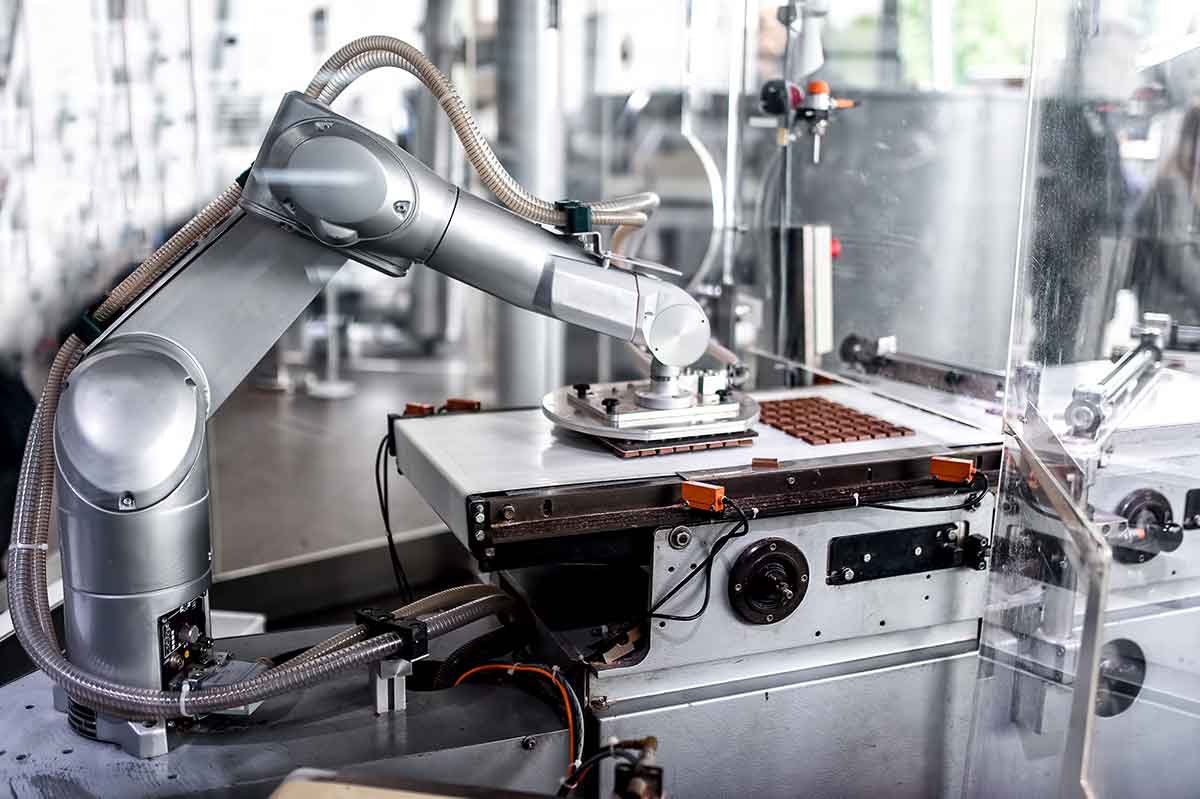
a photo of a robot in a food and beverage manufacturing facility where chocolate is made.

Advances in agriculture, food, and beverage processing automation and robotics technologies have been drastically changing how these industries operate.

Advances in agriculture, food, and beverage processing automation and robotics technologies have been drastically changing how these industries operate. The benefits to progress these technologies provide are too numerous and too significant to ignore. However, the trend is at odds with the very nature of these industries, which are among the most highly controlled and restrictive in the world. This is one of the main reasons these manufacturers have only now been able to build momentum in modernizing operations.

Jonathan Wilkins, marketing director at EU Automation attributes the shift to the decrease in implementation costs as well as improved performance provided by more refined technologies in the sector. These manufacturers are ready to adopt new technology now that it has been proven to offset the rising costs of raw materials and the energy required in production.

Food And Beverage Manufacturing Advice From The Experts

Nigel Smith, CEO of industrial robotics specialist firm TM Robotics, has some choice advice for those in food and beverage manufacturers looking to adapt their operations to the rapidly changing manufacturing landscape. By incorporating the latest in robotics and advanced automation technology these enterprises can improve performance and overall value. Smith highlights a few key factors that will boost potential ROI and minimize the headaches associated with integrating new systems into existing infrastructure.

Plan With Purpose

No two systems are the same. Whether canning kombucha or creating ready-made meals on an assembly line, assessing the specific needs of a food and beverage manufacturing operation before implementation is essential. The right robots and associated hardware to complement them will make or break your automation efforts. The software powering the backend is an often-overlooked element to consider, as well. Operating systems for your robotic workforce, trained human counterparts, and ERP software all come together to create a manufacturing floor working with precision, driving productivity, and optimizing operations. Once the creation of goods is complete, what about distribution and order fulfillment? additional components of the sales cycle come into play long after your goods are packaged and ready to go. The right technology to compete in a modern distribution environment is essential, as well.

a photo of glass beer bottles on a bottling line in a food and beverage manufacturing brewery - encompass solutions.

Whether canning kombucha or creating ready-made meals on an assembly line, assessing the specific needs of your operation before implementation is essential.


When it comes to installation, designers and consultants need to think beyond the process, like their manufacturer, to understand the importance of consistency, compliance, and presentation. Partnering with the right system integrators and ERP consultants and managed services can make or break manufacturers’ modernization efforts.

Personalize Performance

Once you’ve completed the broad strokes of selection, you’ll need to zero in on the supplementary components of your plan to drive ROI.

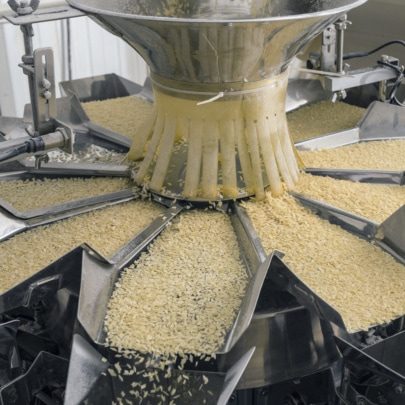
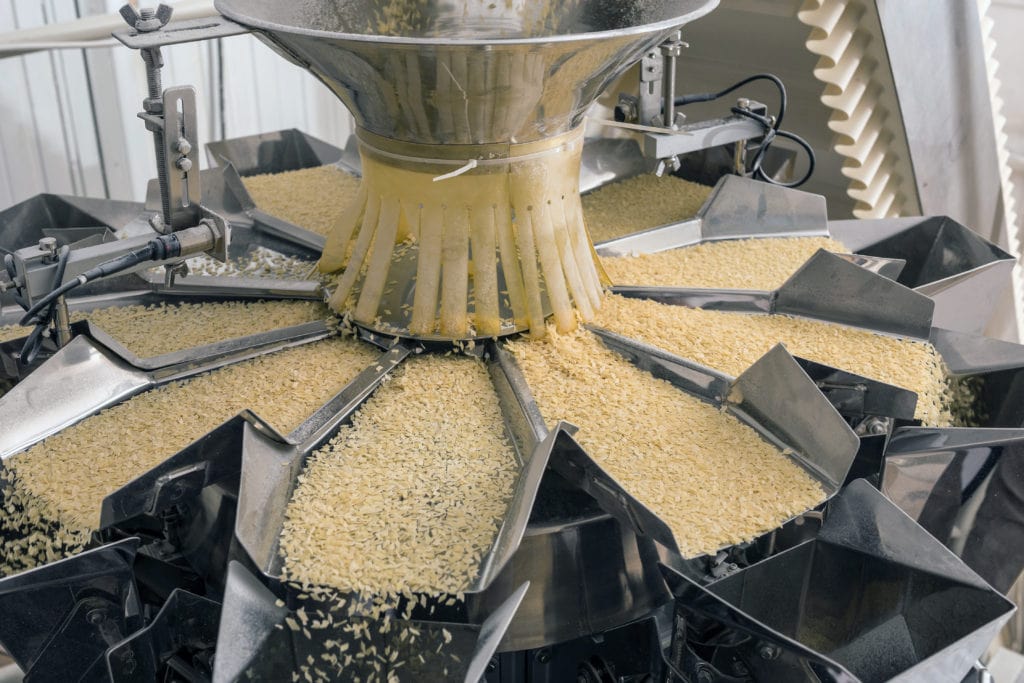
food and beverage manufacturing in a grain sorting plant

Calibration is another key component that needs to be considered and deemed precise when handling products to ensure waste is kept to a minimum.

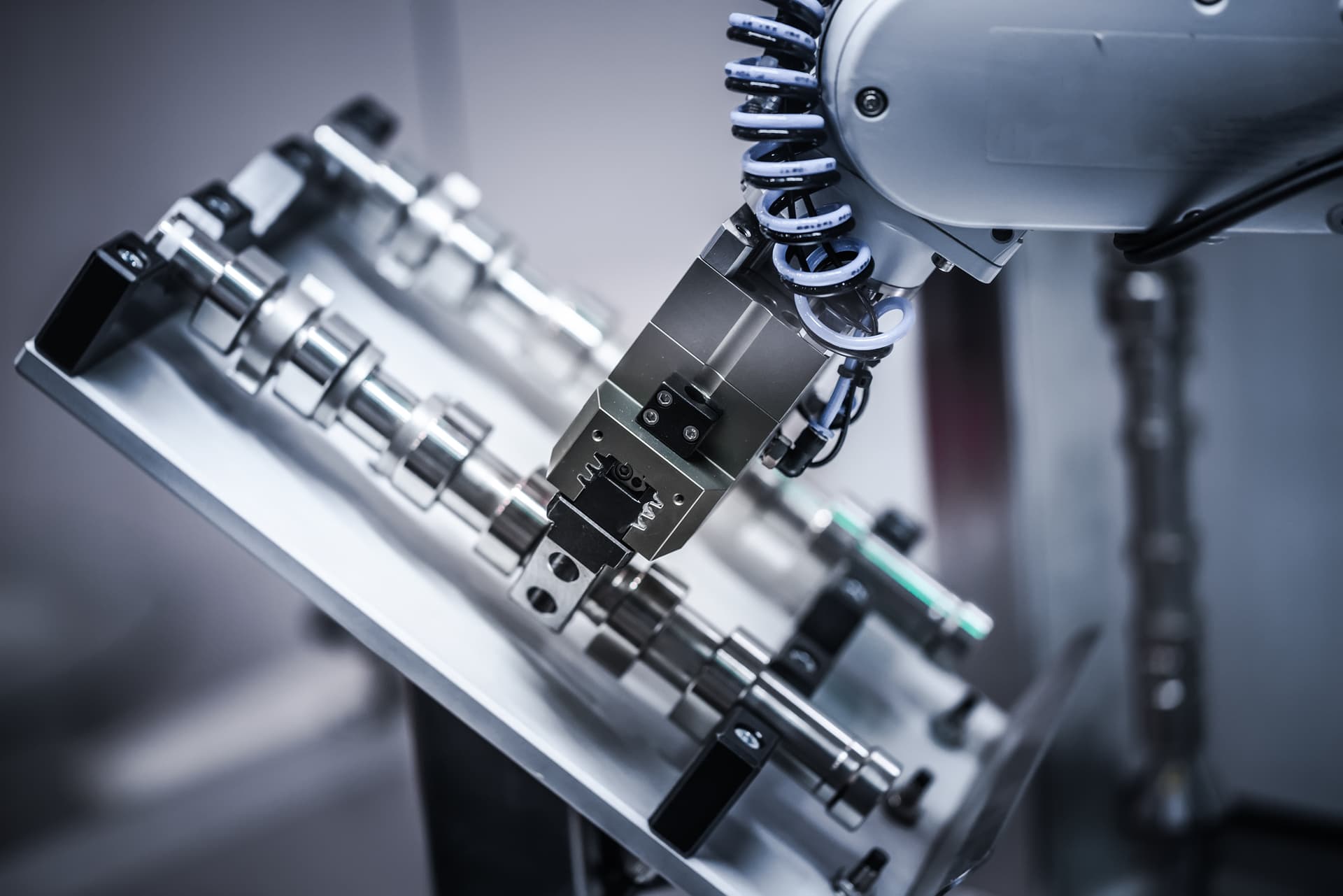
Let’s say you’ve got the SCARA machines to pick and place ingredients for each batch in your process, but do you know which grippers to use to ensure minimal damage to those ingredients? What about the right vision system to properly identify those ingredients or potential defects? Calibration is another key component that needs to be considered and deemed precise when handling products to ensure waste is kept to a minimum. These details are exactly why food and beverage manufacturers looking to modernize should work with experienced and reputable integrators and consultants to bring operations up to a competitive pace.

About Encompass Solutions

Encompass Solutions, Inc. is an ERP consulting firm and Epicor Gold Partner that offers professional services in business consulting, project management, and software implementation. Whether undertaking full-scale implementation, integration, and renovation of existing systems or addressing emerging challenges in corporate and operational growth, Encompass provides a specialized approach to every client’s needs. As experts in identifying customer requirements and addressing them with the right solutions, we ensure our clients are equipped to match the pace of the Industry.
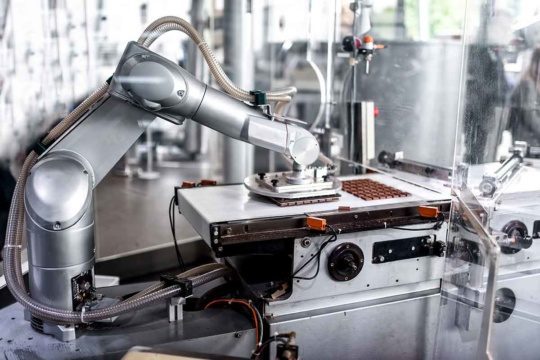

Manufacturers are implementing technological advancements to enhance automation processes every day. We call this latest wave of rapid development Industry 4.0, the fourth industrial revolution. While modernization presents numerous opportunities for growth and process enhancement, experts are increasingly aware of their need for heightened security in an increasingly insecure digital landscape. Manufacturing and other industries are taking a closer look at cloud-based ERP and unified systems to address vulnerabilities.

IIoT Network Security Threats And How To Protect Operations

Over the last 10 years, system control integrators and industrial automation thought-leaders have sought to address what they’ve identified as the chief IIoT network security concerns. Manufacturing operations in the US and abroad have suffered a significant increase in disruption due to cyber threats and the trend appears to be steadily increasing. In 2013, of 257 total cybersecurity incidents, critical manufacturing comprised 15% of all attacks. That number rose by 12% in 2015, and another 6% to 33% of all incidents in 2015.

A picture of digital devices on a table connected through a chain of paper clips.

Manufacturing And Other Industries Are Taking A Closer Look At Cloud-Based ERP And Unified Systems To Address Vulnerabilities.

The proliferation of cyber-attacks, as evidenced in Triton, WannaCry, and Petya events, has left the executive suite on edge. According to a recent global survey, conducted as part of the Kroll Annual Global Fraud & Risk Report 2017/2018, 86% of executives put cybersecurity among their top anxieties, which the report refers to as a “new normal”. Seven in 10 of those surveyed in the manufacturing sector reported such an incident, either in the form of information/data theft, fraud, loss, or attack, has taken place within their operations over the last year. The report paid particular attention to organizations’ workforces, which routinely emerge as either paramount security assets or threats. This only highlights the importance of adopting comprehensive approaches to securing resources, equipment, and operational capabilities.

Cyber Arms Race: Cybersecurity IACS/IEC 62443-4-2 Certification

Among the reported incidents over the last 12 months, virus/worm infestations and email phishing scams topped the charts, at 36% and 33% of total incidents respectively. Examples of modern cyber threats, along with how they can be avoided, have been acknowledged by system integrators and cybersecurity professionals in a recent release of training resources from WoMaster, a networking and computing solution provider. Among the topics addressed are accidental unauthenticated access, common attacks experienced by system integrators, and intentional access by hackers who utilize specific skills and tools rank among the most critical concerns. Among these tools and skills are IP Source Guard, Dynamic ARP Inspection, DHCP Snooping, Denial of Service, and Distributed Denial Of Service exploits.

a picture of a hooded individual working at a desktop PC.

The Proliferation Of Cyber-Attacks, As Evidenced In Triton, Wannacry, And Petya Events, Have Left The Executive Suite On Edge.

The series seeks to educate critical manufacturing operators on the nuances of modern cybersecurity, the importance of adopting strict cybersecurity procedures, and conforming to the standards outlined in Cybersecurity IACS/IEC 62443-4-2 Certification. Such standards-based certifications offer economically efficient means of maintaining best practices when it comes to cybersecurity along with tangible benefits to operators and peace of mind for anyone whose data is stored in targeted digital systems.

How Cloud-based ERP Systems Address Security Expenses For SMEs

Cloud-based ERP systems are being relied upon by enterprises of every size more and more as time goes on.  Cloud-based security is perhaps one of the biggest topics surrounding the efficacy of modern ERP systems.

A picture of coworkers in a boardroom around a table.

SMEs Should Take Advantage Of This Highly-Secured Environment To Allow For More Focused Efforts On Growth.

Small and medium enterprises (SMEs), which may not have had much experience with cloud-based software, are typically the most skeptical. This is not to say that security risks don’t exist in the cloud. Security risks are always present. Handling security issues for cloud-based ERP is a challenging and complex process, not to mention costly. However, Cloud ERP providers, such as Epicor and NetSuite, spend hundreds of millions of dollars erecting formidable security apparatuses and maintaining and updating these safeguards regularly. That said, large, international manufacturers tend to keep their ERP systems on-premises, despite ERP providers offering high-level security for their cloud solutions. Solutions that SMEs are generally unable to implement themselves. As a result, it is advisable for SMEs to take advantage of this highly secured environment to allow for more focused efforts on growth. This way, SMEs can more readily compete in a marketplace where they are still considered the underdog.

About Encompass Solutions

Encompass Solutions is a business and software consulting firm that specializes in ERP systems, EDI, and Managed Services support for Manufacturers and Distributors. Serving small and medium-sized businesses since 2001, Encompass modernizes operations and automates processes for hundreds of customers across the globe. Whether undertaking full-scale implementation, integration, and renovation of existing systems, Encompass provides a specialized approach to every client’s needs. By identifying customer requirements and addressing them with the right solutions, we ensure our clients are equipped to match the pace of the Industry.


The Chief Robotics Officer

With the industrial robot population on course to reach 1.7 million by 2020, enterprises the world over are reevaluating how they approach managing a mechanized workforce. To address modern manufacturing operations’ increasing reliance on automation and robotics, the C-suite is preparing to welcome a new designation among its ranks: Chief Robotics Officer (CRO).

A photograph of a Chief Robotics Officer commanding a humanoid robot

Tthe C-Suite Is Preparing To Welcome A New Designation Among Its Ranks: Chief Robotics Officer.

Addressing An Increasingly Automated Workforce

While the concept may be a new one, a study conducted by Myria Research, a Massachusetts-based research and advisory services business, puts projections of the emerging Chief Robotics Officer position in 60% for Fortune 500 executive teams. Beyond that, the Chief Robotics Officer Research Scenario predicts the Robotics & Intelligent Operational Systems (RIOS) technologies market to reach $1.2 trillion globally by 2025. The figure is tremendous when compared to the firm’s $63 billion market valuation in 2015. However, companies cannot afford to discount the increasing prevalence of RIOS in their own daily operations as well as those of their competitors. The projections include full hardware, software, and services segmentation in the figure, which represents a 30% CAGR to 2020 and 40% from 2020 until 2025.

A photo of a robotic arm working on a factory floor.

the Chief Robotics Officer Research Scenario predicts the Robotics & Intelligent Operational Systems (RIOS) technologies market to reach $1.2 trillion globally by 2025.

The Chief Robotics Officer remains a conceptual position for the vast majority of enterprises. However, research suggests that as the prevalence of integrated robotics and intelligent systems increases, CROs will become equally important sources of vital information that lend insight into research, development, and innovation in the sector. Their duties can be likened to that of the Chief Information Officer during the influx of computers into businesses during the 1980’s. Already there is an abundance of seminars professing the need for CRO’s is enterprises want to remain competitive. In short, a company’s CRO will be responsible for implementing the latest robotics and automation technologies while increasing efficiency and through the productivity promised by robotics and AI. A hands-on component is also likely for the role, where managing these robotic and digital workforces on the floor as well as in the cloud will pose unique challenges that only a human component can address.

How RIOS Affects The Labor Market

While it is already painfully obvious that automation, robotics, and intelligent operational systems are positioned to hamstring low-skilled labor, the specialized staff required to maintain and interact with these systems is grown at a steady rate alongside implementation. This leaves a wealth of opportunity for those individuals being transitioned out of low-skill positions to take the reigns and receive the training to assume the role of technological overseers.

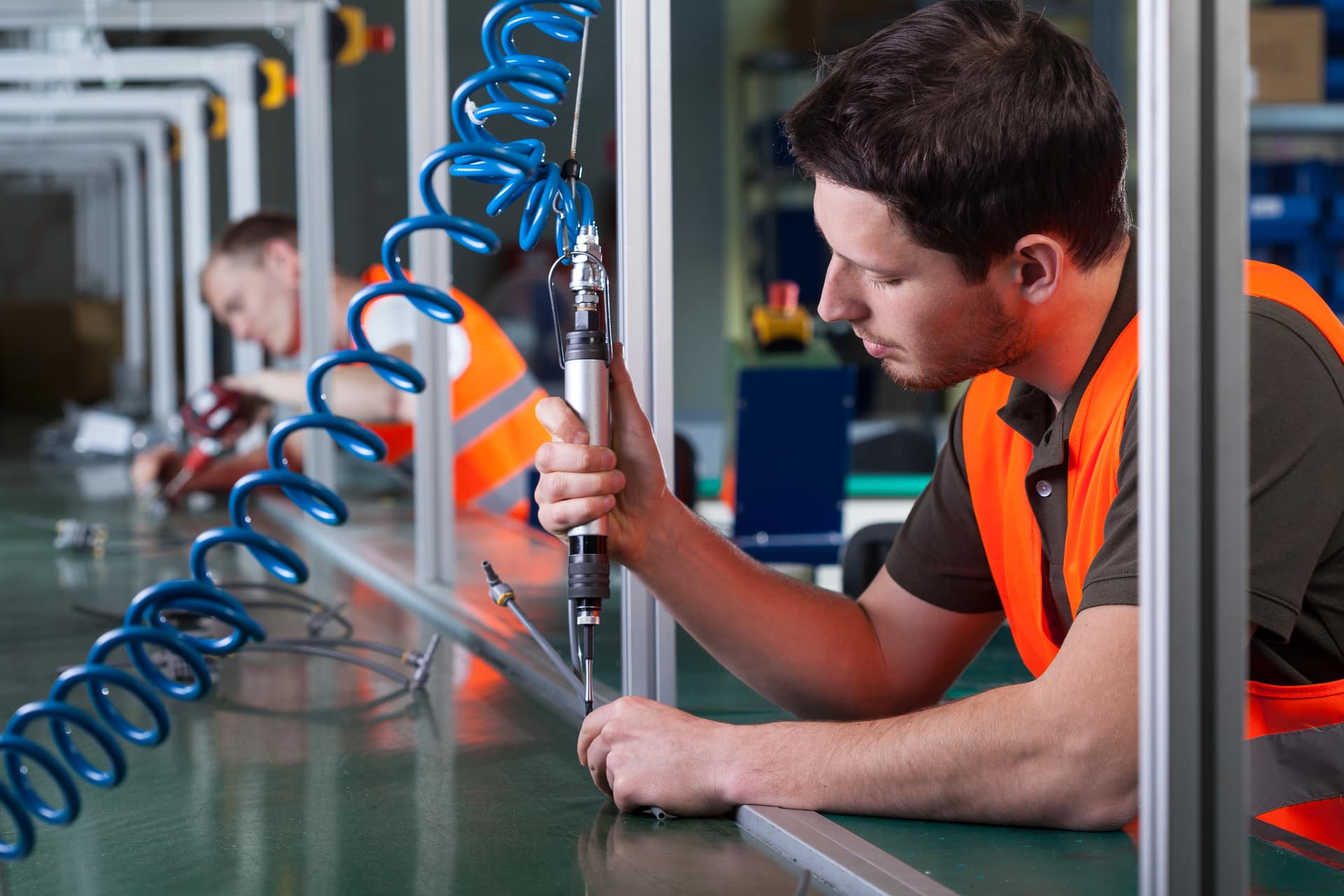
a photograph of factory workers and the production process.

Factory Workers Need To Be Prepared For The Shift From Low-Skilled To Specialized. Fortunately, Many Corporations Are Supporting Them Through The Transition.

Many companies are already supporting workforces keen on being promoted from within. The most prominent example comes from Amazon, which is offering sizable grants and educational opportunities in-house for any employee willing to beef up their background in robotics, automation, and IT.

Human-Robot Interaction In The Workplace And Beyond

Thanks to the stories spun in science fiction and technological horror films, humans have developed a healthy apprehension of integrating machinery too deeply into their lives. However, the buffer may be unfeasible as the efficiencies these machines and processes provide are simply too valuable to ignore.

a photo of a Chief Robotics Officer and a robot discussing information on a computer monitor

Advances in artificial intelligence bring machines to a higher level of competency regarding cooperation and collaboration with their human counterparts

The results? A new classification of workplace interaction. Questions are already emerging about human-robot interaction in the workplace and beyond. Coworkers want to know how they’ll split the workload, if their vacation time and salary will be affected, or if there will be robots on their departmental teams with a say in how projects are carried out. It may seem a silly distinction to make at this point in time but as advances in artificial intelligence bring machines to a higher level of competency regarding cooperation and collaboration with their human counterparts, these human anxieties may become increasingly more valid.

Robot Personhood And Emerging Legal Frameworks

At a higher level, governments are interested in how commerce is positioned to be improved and how administrations will have to adopt new legal frameworks to address things like liability and taxation. The EU is already considering granting personhood to robots. While corporate personhood in the US bestows certain rights and privileges to business entities, the proposed rules placed in front of EU legislators suggested by EU legislators are seeking to address these issues of liability, safety, and changes in the labor market. A study on the notion of the robot, its implications, and the question of consciousness, authored by Nathalie Nevejans, Université d’Artois, Centre de Recherche en Droit Ethique et Procédures, can be found here. Rapporteur Mady Delvaux’s (S&D, LU) EU Commission report on liability, social impact, and request for legislation can be found here.

About Encompass Solutions

Encompass Solutions is a business and software consulting firm that specializes in ERP systems, EDI, and Managed Services support for Manufacturers and Distributors. Serving small and medium-sized businesses since 2001, Encompass modernizes operations and automates processes for hundreds of customers across the globe. Whether undertaking full-scale implementation, integration, and renovation of existing systems, Encompass provides a specialized approach to every client’s needs. By identifying customer requirements and addressing them with the right solutions, we ensure our clients are equipped to match the pace of Industry.


The common misconception about automation is that in the long term it will cost more jobs than it creates. The fact of the matter is that this is simply not true. Automation, working alongside effective ERP systems, provides workforces the freedom to become more specialized and efficient. Automation works in tandem with ERP to conserve resources and take the mundane and repetitive tasks out of the picture.

As a result, the human component of businesses can take on more logical, critical thinking-oriented tasks. This adds value to the business by strengthening the quality of care customers receive and nurtures the satisfaction employees receive when they occupy more critical and appreciated roles in their careers.

Automation And Job Creation With ERP Systems

While the technology and machinery associated with automation and ERP systems assume easy roles it the workplace, the more agile and adaptable human is still required to run and maintain them.

A photograph of a specialized factory worker at an MES interface tied to ERP systems

A Specialized Worker Ensures That The Factory’s Automation Equipment Runs At Peak Performance.

Cotton mills are a prominent example of how technology replaced human labor in the textile industry. While unskilled labor, such as cotton picking was replaced by the cotton gin, the process of refining the picked cotton still required a human touch. Loom operators found their jobs replaced with automated machinery, but those machines too needed to be run and maintained by skilled labor. A loom couldn’t craft a shirt on its own but made the process infinitely more simple and the results were less cost prohibitive for the consumer. This translated into higher demand for cotton goods and more weavers were required to address the demand.

Over the past 150 years, the labor force has thrived alongside the implementation of automation technology, rather than having been hindered by it. The article Automation Technology and Anxiety, featured in Economist, focused on the example of cotton and detailed how the textile became easier by a factor of 50 to produce following the advent of automation technology in the industry. As a result, the cost of cotton plummeted, making goods derived from the textile easier to afford. This increased consumer demand led to a demand for more skilled labor. The article states, “In America during the 19th century the amount of coarse cloth a single weaver could produce in an hour increased by a factor of 50, and the amount of labor required per yard of cloth fell by 98%. This made cloth cheaper and increased demand for it, which in turn created more jobs for weavers: their numbers quadrupled between 1830 and 1900. In other words, technology gradually changed the nature of the weaver’s job, and the skills required to do it, rather than replacing it altogether.” The main takeaway from the passage should be that while the production of coarse cotton became radically easier to produce, job growth in the sector grew by 400 percent in a 70-year period as a result.

A more modern example can be found in Amazon’s headcount statistics. While the company’s fleet of robots has doubled over the last two years, the labor force has only increased over the same period.

Automation And ERP Systems

ERP Systems functions much in the same way, working alongside automated systems in manufacturing. In terms of data management, ERP systems take over repetitive processes and assume these otherwise mundane roles associated with enterprise data to reduce waste and free labor to take on more mission-critical tasks. These streamlined processes end up saving businesses substantial costs in the long term and facilitate growth that scales alongside the pace of Industry.

an image of food and beverage manufacturing controlled by erp systems

Automation Takes The Form Of Machine And Digital Processes.

Independent Labor Sources Develop

The independent workforce is another segment of global labor that shows increasing promise in the face of automation, with highly-skilled, highly-educated, and experienced professionals increasingly being sought after by companies that have adopted automation to a high degree. Software engineering, product management, and application development professionals are among the most sought-after independents. Automation plays together with the independent workforce as companies look to supplement their automated systems with independent workers to fulfill highly-specialized roles. Factories may not need the workers they once did thanks to robots and automated assembly, but the gaps in operations, maintenance, and planning leave more than enough room for a more specialized workforce to step in.

The Pains Of Transition

While it’s true the application of automation upsets work roles and employment demographics within the industries where they are applied, the real pains are felt in the short-term transition process. Bhagwan Chowdhry, professor of finance at the University of California, Los Angeles, details what he sees as a necessary shift in paradigm between learning and working to maintain a qualified workforce as automation assumes what has been traditionally referred to as blue-collar jobs.

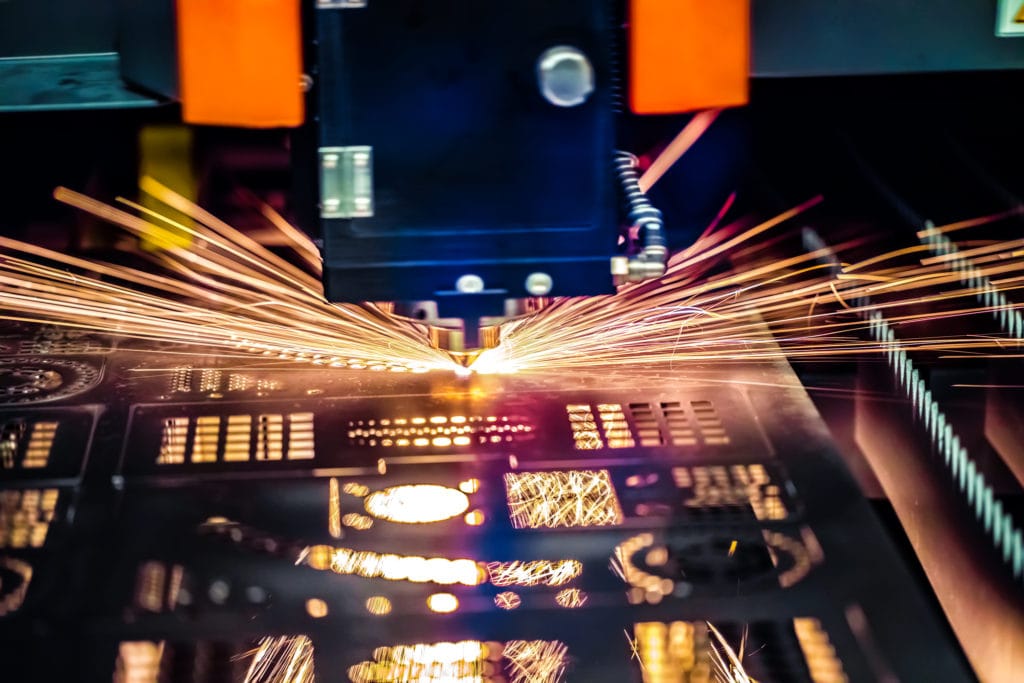
A photo of a CNC machine cutting metal shapes and forms where data is fed from ERP systems.

Modern Automation And Processes Require The Transition Of Workforces from Un-Skilled or Low-Skilled to Highly-skilled.

In an interview with the BBC last year, he offered his thoughts on how to address the need for more specialized labor in the face of automation, “The distinction between work and learning might need to become more amorphous. We currently have a dichotomy where those who work not learn, and those who learn do not work. We need to think about getting away from the traditional five-day working week to one where I spend 60% of my time doing my job and 40% learning on a regular basis.” In short, automation and robots, particularly collaborative robots, are increasingly filling a complementary role alongside workers, rather than one of replacement. The safest route, in terms of ensuring humans have a future in the workforce, is to scale skillsets alongside the technology that enables them the increased time to learn about most technical concepts and roles.

About Encompass Solutions

Encompass Solutions is a business and software consulting firm that specializes in ERP systems, EDI, and Managed Services support for Manufacturers and Distributors. Serving small and medium-sized businesses since 2001, Encompass modernizes operations and automates processes for hundreds of customers across the globe. Whether undertaking full-scale implementation, integration, and renovation of existing systems, Encompass provides a specialized approach to every client’s needs. By identifying customer requirements and addressing them with the right solutions, we ensure our clients are equipped to match the pace of Industry.
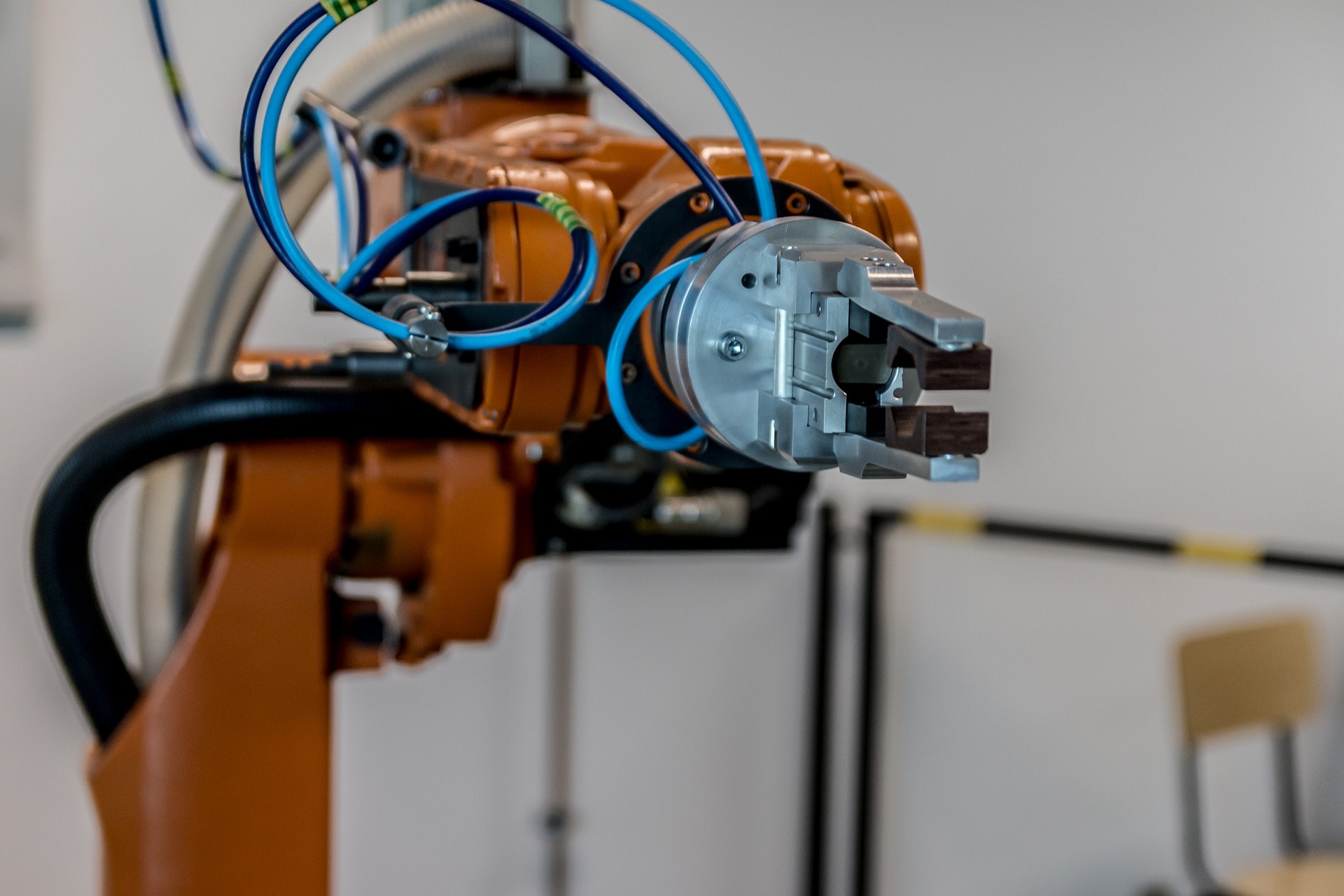

The latest component of Industry 4.0, Robotic Process Automation (RPA), maybe be an unfamiliar concept now, but soon these three words will be on the lips of operators big and small all over the world. RPA is already generating substantial revenue savings for businesses, with $50 million recovered in 2017, with a projected compound annual growth rate of more than 60% through 2026. Coupling this emerging technology with a business-centric solution like ERP systems will ensure your workforce is free to engage in the more demanding aspects of your operations, all while automation handles the rest.

What Is RPA?

When it comes to robots, we tend to think of the latest development from research labs like KUKA-style assembly line robots and the agile creations emerging from the labs of Boston Dynamics. RPA is quite a bit different. It refers to automation technology; more specifically RPA is a technology designed to handle clerical process automation based on the concept of Artificial Intelligence (AI) workers. These digital entities are also referred to as software robots.

a picture of a virtual worker representing robotic process automation.

RPA Is A Technology Designed To Handle Clerical Process Automation Based On The Concept Of Artificial Intelligence (AI) workers.

ERP serves as the backbone of your IT infrastructure by acting as a single source of information for your business. RPA automates several processes traditionally involving human interaction with the ERP system by entering transactions, executing programs, and extracting reports automatically, in a fraction of the time. These robots are taking the lead when it comes to back-office tasks that are repetitive and uninteresting to their human counterparts. Due to the repetitive nature of these tasks, robots are prime candidates to take over in completing the tasks with speed and efficiency. This gives the human capital component of your business more freedom to approach tasks that require reasoning, judgment, and critical thinking.

Robotic Process Automation Benefits For ERP-Equipped Businesses

Coupled with the right ERP, Robotic Process Automation is primed to deliver substantial benefits to small and medium businesses looking to leverage technology for a leg up on the competition in keeping operations lean.

Savings in costs is one of the most immediate benefits of RPA. Completing work faster and with higher accuracy than traditional data entry and management methods, RPA outputs more with fewer inputs and when tasks are completed for a fraction of the cost the result is in an improved ROI for your business.

Even the most diligent and experienced professionals make data entry and filing mistakes, with fatigue being one of the main culprits. RPA Delivers higher quality results within a fully-automated process. You’ll find data entry errors quickly falling out of the equation and you’ll enjoy higher satisfaction both internally and externally when the mundane is managed by RPA.

A picture of a robot interacting with a touchscreen in augmented reality.

Data Entry Errors Exit The Equation And You Enjoy Higher Satisfaction Both Internally And Externally When The Mundane Is Managed By Robotic Process Automation.

Stemming directly from the relief of having to complete fewer mundane tasks, your employees will enjoy newfound job satisfaction by being able to engage in tasks that require talent, intelligence, and problem-solving.

Another benefit realized as a result of fewer errors and omissions in documentation is a higher standard of compliance. By maintaining standards and practices within the operations of your organization, compliance is more readily assured and employees have a firmer grasp of overall operations, explore their roles, and invest in the growth of the organization.

Your Competitive Advantage With ERP And Robotic Process Automation

The business world is a competitive one, and you’ll need every advantage at your disposal to ensure you’re operating at peak performance. A powerful ERP system and incorporating powerful technologies like robotic process automation are an exceptional way to ensure your competitiveness. Consulting with professionals is the best way to get an idea of how relevant these powerful tools are to you and your business, as well as how they can be leveraged to great effect. Consider working with implementation and consulting professionals to more effectively outline and execute the future of your business’ digital operations strategy.

About Encompass Solutions

Encompass Solutions is a business and software consulting firm that specializes in ERP systems, EDI, and Managed Services support for Manufacturers and Distributors. Serving small and medium-sized businesses since 2001, Encompass modernizes operations and automates processes for hundreds of customers across the globe. Whether undertaking full-scale implementation, integration, and renovation of existing systems, Encompass provides a specialized approach to every client’s needs. By identifying customer requirements and addressing them with the right solutions, we ensure our clients are equipped to match the pace of Industry.

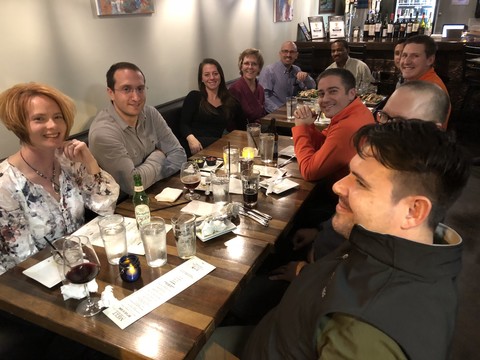
Encompass Solutions’ Greensboro office had a great time last night meeting with Avalara, the makers of an amazing automated tax compliance integration, to reconnect after the new year and discuss integration opportunities with clients in need of automated tax compliance in the form of an end-to-end solution.

Update 10/23/2018: We’re hosting a special webinar next week with our partners at Avalara. The South Dakota v. Wayfair, Inc. Supreme Court ruling includes the biggest internet sales tax changes since 1992 and the impacts are being felt by businesses all over the United States. You can find the recording here.

Benefits of Automated Tax Compliance Software

The benefits of automated tax compliance are numerous for businesses across the globe. Encompass and Avalara help integrate this valuable service into business systems of every size that deliver advantages and peace of mind to small and medium businesses every day.

simply put, automating tax compliance and tax processes is essential for increasing accuracy and driving efficiency in today’s competitive marketplace. By incorporating automated tax compliance, your business can improve the level of transparency and conformity to the constantly changing tax laws of your country, state, region, and locality. automated tax compliance will also enable your business to minimize the burdens placed on personnel to keep up with these changing tax rules as well as the labor involved in meeting those requirements for reporting on a rolling basis. This lifted burden frees your teams up to capitalize on improved collaboration and greater creativity in solving more pressing challenges as your business grows and expands.

The savings and extra time provided by implementing automated tax compliance solutions, like those provided by Encompass and Avalara, can link your financial components to the rest of your business in ways that lend greater flexibility, visibility, and accuracy when considering new initiatives and development plans. Get in touch with us to learn more about what this invaluable technology can do for your business.

Automated Tax Compliance Software Meet-up

We make it a point to meet with our partners at least once a year and this time around Melt Kitchen and Bar was the hosting venue, which served up some exceptional appetizers and beverages throughout the evening. The restaurant is known for their crispy Brussels sprouts and decadent hot sandwiches. After ordering a few plates for our own research purposes we can definitely agree they are a must for anyone visiting. Sampling the craft brews on tap alongside good conversation kept the night’s event flowing smoothly at this local hot spot many of us will be revisiting in the future.

A picture of the Encompass Solutions team and Avalara reps sitting down for drinks and food at melt kitchen and bar in Greensboro, North Carolina.

Encompass And Avalara Get Together To Share Drinks And Appetizers While Talking Taxes.

All-around the evening was a success with some great plans discussed on how to further streamline automated tax compliance for mixed mode and make to order manufacturers. Both companies are looking forward to another year of productive collaboration. Cheers to a new year with Avalara!

About Avalara

Offering end-to-end tax compliance solutions to enterprises big and small, Avalara makes automated certificate validation, storage, and management easy. Avalara’s cloud-based sales tax automation software provides accuracy for all of the 12,000+ tax jurisdictions in the United States. Avalara ensures that automating sales, tax calculation, and maintaining compliance are all possible within your existing ERP, POS, or e-commerce system.

About Encompass Solutions

Encompass Solutions is a business and software consulting firm that specializes in ERP systems, EDI, and Managed Services support for Manufacturers and Distributors. Serving small and medium-sized businesses since 2001, Encompass modernizes operations and automates processes for hundreds of customers across the globe. Whether undertaking full-scale implementation, integration, and renovation of existing systems, Encompass provides a specialized approach to every client’s needs. By identifying customer requirements and addressing them with the right solutions, we ensure our clients are equipped to match the pace of Industry.


Maintenance, Repair, and Overhaul (MRO) costs can cripple a manufacturer’s bottom line, especially when the required work compounds problems by impacting production to a significant degree. Implementing a dynamic ERP solution, like Epicor ERP, can address the issue before it becomes a problem. Through an effective mix of Quality Assurance and Asset Management modules, Epicor has built a powerful solution to specifically tackle the tasks associated with maintenance management, from Small and Medium Enterprises (SME) to multinational corporations.

Industry 4.0 – Machine Learning As An Essential Tool

By leveraging the Industrial Internet of Things and modern data analytics, manufacturers are finding that machine learning is the next essential tool in keeping their operations running at peak performance. These tools provide manufacturers with more and better data to ensure impacts that are detrimental to business are circumvented even before becoming roadblocks.

a representation of machine learning using a digital intelligence spreading through circuits a the push of a button.

Manufacturers Are Finding That Machine Learning Is The Next Essential Tool In Keeping Their Operations Running At Peak Performance.

According to John Fryer, senior director of industry solutions at fault-tolerant computer servers and software company Stratus, on his partnership with TransCanada, “data is now being collected from every turbine, pump and compression station, and fed back to a centralized control room. The data is then integrated and analyzed…to identify trends and enable predictive maintenance to be carried out.”

Stratus is currently working in tandem with TransCanada to maintain the operation of the gas company’s 57,000 miles of pipelines. The network often stretches into in rural and remote regions, which makes monitoring and predictive maintenance even more essential.

ROI With ERP Solutions

Because of improved monitoring, quality assurance, and asset management, manufacturers receive significant savings when it comes to MRO costs. By providing a comprehensive and fully-integrated approach to the calibration and upkeep of systems and equipment, manufacturers employing ERP solutions in their facilities can operate at maximum runtime to secure an optimum return on their total costs.

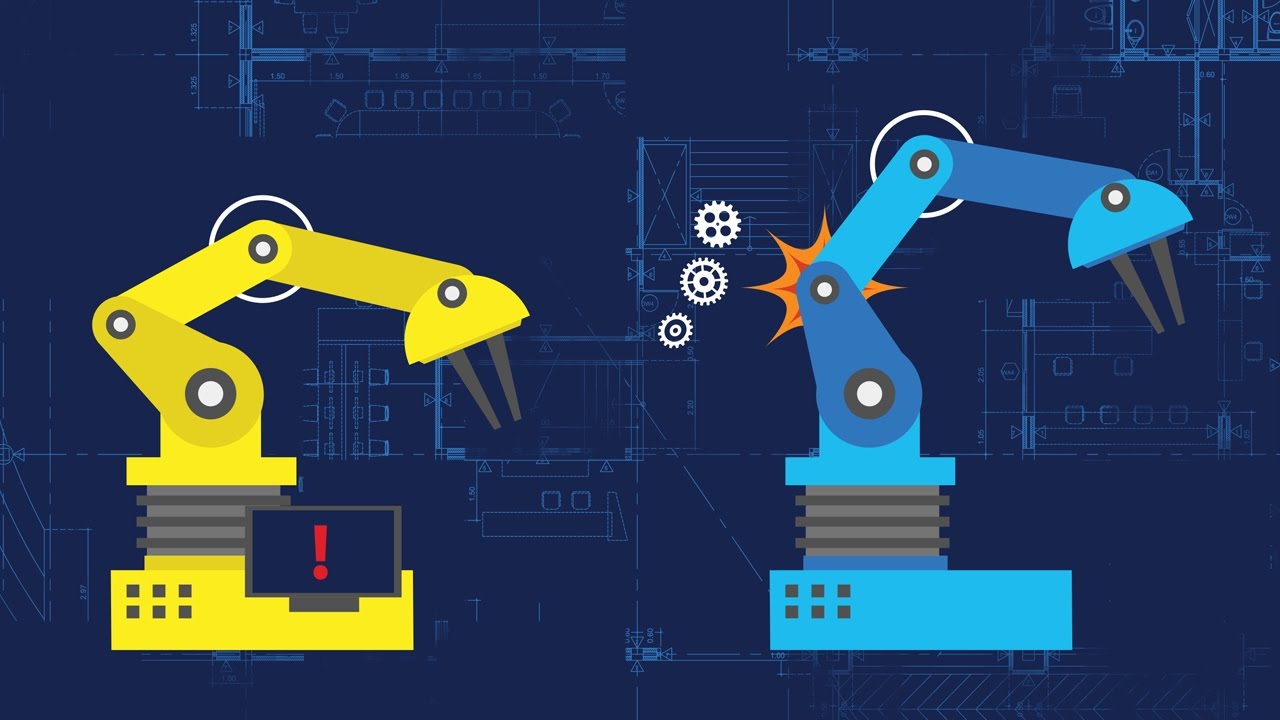
an image of factory automation equipment breaking

Improved Monitoring, Quality Assurance, And Asset Management Allow Manufacturers To Realize Significant Savings When It Comes To MRO Costs.

In the case of TransCanada, savings between $16m and $17m were measured in the first year following implementation alone. That’s just one success story. When an entire industry employs such advancements in how operations are maintained, the savings can compound by an order of magnitude.

How Epicor ERP Addresses Predictive Maintenance

Through the Maintenance Management module of Epicor’s ERP solution, manufacturers gain extensive support for maintenance request processing, planned preventive maintenance (according to predefined schedules), and improvised break/fix maintenance processing for a single piece of equipment. When it comes to the facilities themselves and production equipment housed within, maintenance can be scheduled according to a pre-defined service interval, usage, time or through manual requests. Once these work orders have been identified in the system, the upkeep planner can schedule equipment downtime and exchange resources or materials on the fly. The complete history of these machines, materials, and work orders are tracked using many metrics, including the in-service date, equipment location, warrant expiration date, and preventative maintenance plans based on either time or meter frequencies.

 a picture of factory equipment, technicians, and c-level executives working together.

Epicor ERP Helps Manufacturers Keep Operations Running Smoothly With Predictive Maintenance Tools.

About Encompass Solutions

Encompass Solutions is a business and software consulting firm that specializes in ERP systems, EDI, and Managed Services support for Manufacturers and Distributors. Serving small and medium-sized businesses since 2001, Encompass modernizes operations and automates processes for hundreds of customers across the globe. Whether undertaking full-scale implementation, integration, and renovation of existing systems, Encompass provides a specialized approach to every client’s needs. By identifying customer requirements and addressing them with the right solutions, we ensure our clients are equipped to match the pace of Industry.


in Industry 4.0, Manufacturers and distributors have access to data on a scale that has never existed before. The two are leveraging the insights gleaned from that access to pursue new innovations in automation and systems that are reshaping the face of these industries. Pairing innovations like these with a robust ERP solution is the most effective way to ensure your business is prepared to address emerging technology trends that can reshape your industry overnight. Learn more about emerging technologies in manufacturing and Industry 4.0 to remain to be the competition, rather than simply competitive.

Industry 4.0

First, there was industry 1.0, the emergence of mechanization, as well as water-, steam-, and fossil fuel-powered systems. This was followed by mass production of goods, assembly line manufacturing, and electricity powering it all in Industry 2.0. With 3.0 came computers and automation using robotics. Today, we’ve reached the next milestone in revolutionizing Industry. Connecting established trends and emerging technologies between automation and data exchange in manufacturing is Industry 4.0. Also referred to as the fourth industrial revolution, it is focused on bringing cyber-physical systems into the mainstream and placing them at the forefront of the manufacturing industry.

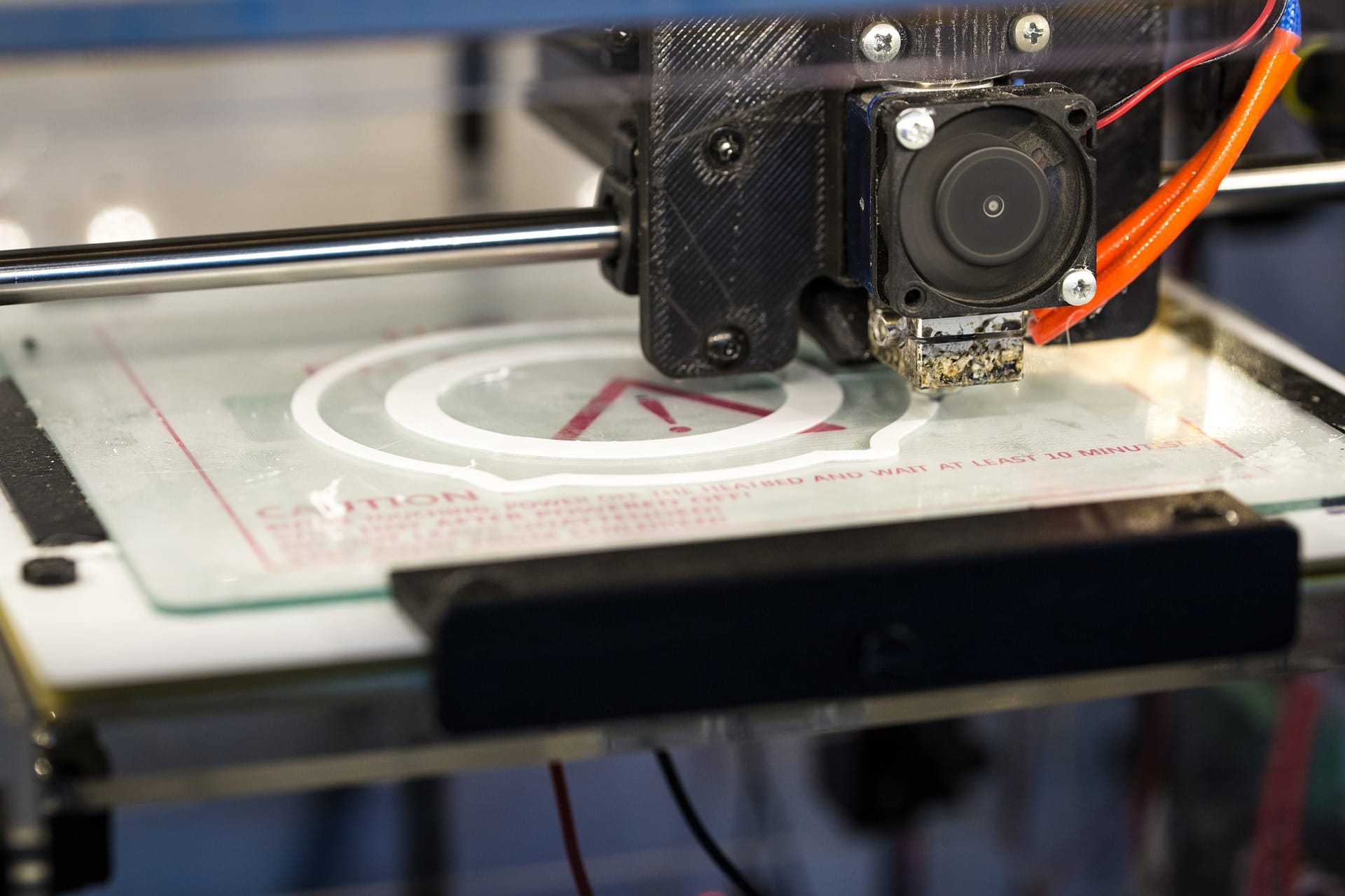
The first Industry 4.0 conference was held last week by Troy, Michigan-based Automation Alley (AA), a non-profit tech and manufacturing business association that connects industry, academia, and government to accelerate innovation in manufacturing. During the conference, a report outlining what AA and industry experts see as the next wave of industry tech to influence innovation emerged. In the report, a roadmap outlined several core technologies that professionals and researchers agree will direct the trajectory of manufacturing in the coming years.

Noting the biggest challenge of innovation on the manufacturing floor as supply-side participants being able to keep up, executive director of Automation Alley Tom Kelly remained optimistic, stating, “The world (of manufacturing) is changing so fast, we can’t assume any company really knows where it’s headed. But based on what’s possible, we hope to help them turn this into action instead of stagnation.” Industry 5.0 has already appeared on the horizon with technologies that are only now being conceptualized and brought into existence.


a picture of a welder at work welding part of a steel frame structure

New Manufacturing Technologies And The Next Industrial Revolution Are Here


The full report on AA’s research into industry 4.0 will be released in April 2018 for those who were unable to attend last week’s conference centered on deconstructing the “siloed thinking” of manufacturing in its current state and nurturing the “smart factory” megatrend of connecting machines, workers, and factory systems through the internet and cloud computing.

The Industrial Internet Of Things

The Industrial Internet of Things (IIoT) utilized relevant information and completes essential tasks through smartphones, tablets, and other edge devices. Businesses can use this performance data in real-time to adapt and change their operations into a more streamlined process internally and externally for both short-term and long-term gains. This superior connectivity facilitates faster response times from all departments and brings with it improved agility for operations of every size.

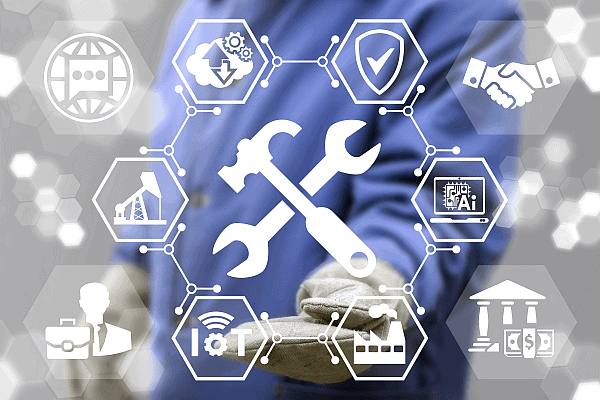
An image displaying introducing Industry 4.0 technologies.

Emerging Technologies Are Ushering In A New Industrial Revolution – Industry 4.0


Robotics

As robots become smarter, cheaper, and more efficient in their roles on the factory floor, these entities will command a greater presence in shaping the manufacturing industry. Advances in robotics technology allow these machines to take on more complex traits, including machine learning, heightened dexterity, memory, and the ability to collaborate more effectively. As a result, robots will usher in a new set of standards that every manufacturer will need to adopt to remain relevant.


An image displaying how Robotics and root systems are a significant component of Industry 4.0 technologies.

Advances In Robotics Means Smarter, More Agile, And More Efficient Robots.

Artificial Intelligence

Commonly the subject of doomsday scenario horror films, AI is nothing to discount as the stuff of science fiction gone wrong. The technology is already in our daily lives in the form of self-driving cars and industrial robotics. In manufacturing applications, the technology will become the new standard by which large sets of data are analyzed and predictive maintenance is undergone. In short, companies will have no choice but to “go digital” in order to survive.

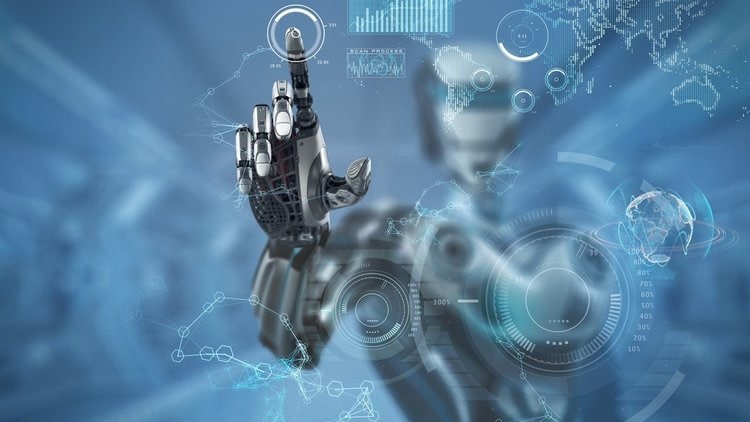
An image a personal robot as part of Industry 4.0 technologies.

The Next Generation Of Artificial Intelligence Will Work side By Side With Humans On The Shop Floor.

Big Data

The means by which we capture data and store it is changing by the day. The even more complex and daunting tasks are how to sift through it and how to identify the relevant bits for different applications. New standards in search, sharing, transfer, visualization, querying, updating and information privacy are emerging as a result. To keep up with the data, rather than being mired in it, manufacturers will need to adopt more robust technologies than traditional data processing software, which is where specialized ERP solutions give your business the critical edge it needs to succeed. Robotic Process Automation (RPA) is one more example of how automation technologies are increasing productivity and how we manage data in the manufacturing environment.

An image displaying how Big Data systems are a significant component of Industry 4.0 technologies.

With More Data To Store And Sift Through, It Will Become Increasingly Necessary For Powerful Tools To Assist In Making Sense Of It All.

The Cloud

In many circles, the cloud is considered a four-letter word. The technology is new and traditional operators across industries are skeptical of its intangible nature. It is not maintained locally and can’t be monitored, stored or secured using traditional methods. That being said, Cloud-based technology is how the companies of the future will operate as it allows in-house users and remote workforces to collaborate in real-time more effectively than with traditional data systems. The cloud approach is faster, improves manageability, and reduces maintenance.

An image displaying how cloud computing and cloud technology systems are a big component of Industry 4.0 technologies.

Data Stored Digitally Can Be Utilized And Amended At A Moment’s Notice.

Cybersecurity

As more and more operations move toward cloud-based solutions and rely more heavily on a robotic workforce, maintaining the security and integrity of these systems becomes a much larger issue. In fact, cybersecurity in the manufacturing sector is listed as the highest priority of the National Association of Manufacturers. Industrial control systems are among the most sensitive targets, which is the class of computers that help to manage the shop floor. As more manufacturers simultaneously build and integrate their systems through the industrial Internet of Things, more opportunities for threats emerge.

An image displaying how cyber security systems are a big component of Industry 4.0 technologies.

Cybersecurity Will be One Of The Most Crucial Concepts To Address As New Innovations Bring Change To The Manufacturing Industry.

Advanced Materials And Additive Manufacturing

An emerging advanced manufacturing technology, you might know Advanced Materials And Additive Manufacturing by the more common name of 3D printing. A process that used to take weeks to accomplish on a small scale, 3D printing can know construct large and complex structures, like housing, in less than a day. Organic compounds, custom plastics, and a host of other materials can be utilized in the process, harmonizing product and nature through innovation.

An image displaying how additive manufacturing and 3D printing systems are a big component of Industry 4.0 technologies.

Advanced Materials And Additive Manufacturing Utilizes 3D Printers For Projects Large And Small.

Modeling, Simulation, Visualization, And Immersion

Analyzing, manipulating, and leveraging data is essential when it comes to making decisions on the future of any business. With new forms of visualization, simulation, and interaction available at the press of a button, businesses can leverage the latest technology to more effectively review, report, and forecast using their data. 3D visualization, virtual reality, and immersion tools are just a few of the innovations available to a host of businesses that rely on massive amounts of data daily, including manufacturing, healthcare, sciences, finance, and energy. Beyond data, these innovations and associated tools help develop tech and lead teams to greater success rates with more thorough and effective preparation for mission-critical tasks.

About Encompass Solutions

Encompass Solutions is a business and software consulting firm that specializes in ERP systems, EDI, and Managed Services support for Manufacturers and Distributors. Serving small and medium-sized businesses since 2001, Encompass modernizes operations and automates processes for hundreds of customers across the globe. Whether undertaking full-scale implementation, integration, and renovation of existing systems, Encompass provides a specialized approach to every client’s needs. By identifying customer requirements and addressing them with the right solutions, we ensure our clients are equipped to match the pace of Industry.