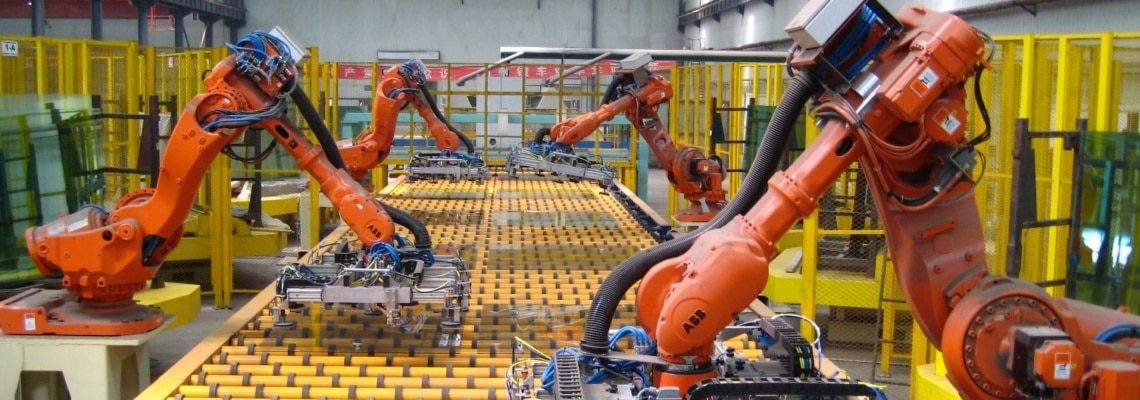
The latest component of Industry 4.0, Robotic Process Automation (RPA), maybe be an unfamiliar concept now, but soon these three words will be on the lips of operators big and small all over the world. RPA is already generating substantial revenue savings for businesses, with $50 million recovered in 2017, with a projected compound annual growth rate of more than 60% through 2026. Coupling this emerging technology with a business-centric solution like ERP systems will ensure your workforce is free to engage in the more demanding aspects of your operations, all while automation handles the rest.

What Is RPA?

When it comes to robots, we tend to think of the latest development from research labs like KUKA-style assembly line robots and the agile creations emerging from the labs of Boston Dynamics. RPA is quite a bit different. It refers to automation technology; more specifically RPA is a technology designed to handle clerical process automation based on the concept of Artificial Intelligence (AI) workers. These digital entities are also referred to as software robots.

a picture of a virtual worker representing robotic process automation.

RPA Is A Technology Designed To Handle Clerical Process Automation Based On The Concept Of Artificial Intelligence (AI) workers.

ERP serves as the backbone of your IT infrastructure by acting as a single source of information for your business. RPA automates several processes traditionally involving human interaction with the ERP system by entering transactions, executing programs, and extracting reports automatically, in a fraction of the time. These robots are taking the lead when it comes to back-office tasks that are repetitive and uninteresting to their human counterparts. Due to the repetitive nature of these tasks, robots are prime candidates to take over in completing the tasks with speed and efficiency. This gives the human capital component of your business more freedom to approach tasks that require reasoning, judgment, and critical thinking.

Robotic Process Automation Benefits For ERP-Equipped Businesses

Coupled with the right ERP, Robotic Process Automation is primed to deliver substantial benefits to small and medium businesses looking to leverage technology for a leg up on the competition in keeping operations lean.

Savings in costs is one of the most immediate benefits of RPA. Completing work faster and with higher accuracy than traditional data entry and management methods, RPA outputs more with fewer inputs and when tasks are completed for a fraction of the cost the result is in an improved ROI for your business.

Even the most diligent and experienced professionals make data entry and filing mistakes, with fatigue being one of the main culprits. RPA Delivers higher quality results within a fully-automated process. You’ll find data entry errors quickly falling out of the equation and you’ll enjoy higher satisfaction both internally and externally when the mundane is managed by RPA.

A picture of a robot interacting with a touchscreen in augmented reality.

Data Entry Errors Exit The Equation And You Enjoy Higher Satisfaction Both Internally And Externally When The Mundane Is Managed By Robotic Process Automation.

Stemming directly from the relief of having to complete fewer mundane tasks, your employees will enjoy newfound job satisfaction by being able to engage in tasks that require talent, intelligence, and problem-solving.

Another benefit realized as a result of fewer errors and omissions in documentation is a higher standard of compliance. By maintaining standards and practices within the operations of your organization, compliance is more readily assured and employees have a firmer grasp of overall operations, explore their roles, and invest in the growth of the organization.

Your Competitive Advantage With ERP And Robotic Process Automation

The business world is a competitive one, and you’ll need every advantage at your disposal to ensure you’re operating at peak performance. A powerful ERP system and incorporating powerful technologies like robotic process automation are an exceptional way to ensure your competitiveness. Consulting with professionals is the best way to get an idea of how relevant these powerful tools are to you and your business, as well as how they can be leveraged to great effect. Consider working with implementation and consulting professionals to more effectively outline and execute the future of your business’ digital operations strategy.

About Encompass Solutions

Encompass Solutions is a business and software consulting firm that specializes in ERP systems, EDI, and Managed Services support for Manufacturers and Distributors. Serving small and medium-sized businesses since 2001, Encompass modernizes operations and automates processes for hundreds of customers across the globe. Whether undertaking full-scale implementation, integration, and renovation of existing systems, Encompass provides a specialized approach to every client’s needs. By identifying customer requirements and addressing them with the right solutions, we ensure our clients are equipped to match the pace of Industry.

Epicor Data Analytics 7.3.0

Epicor Data Analytics (EDA) Release 7.3.0 has gone live and is now available to EDA customers. This release contains several bug fixes, new features, and key improvements. Here are the biggest takeaways to appear in the Epicor Data Analytics 7.3.0 update. For more information on the capabilities and functionality of Epicor ERP, click the more info button below.

Nested Grids In Epicor Data Analytics 7.3.0

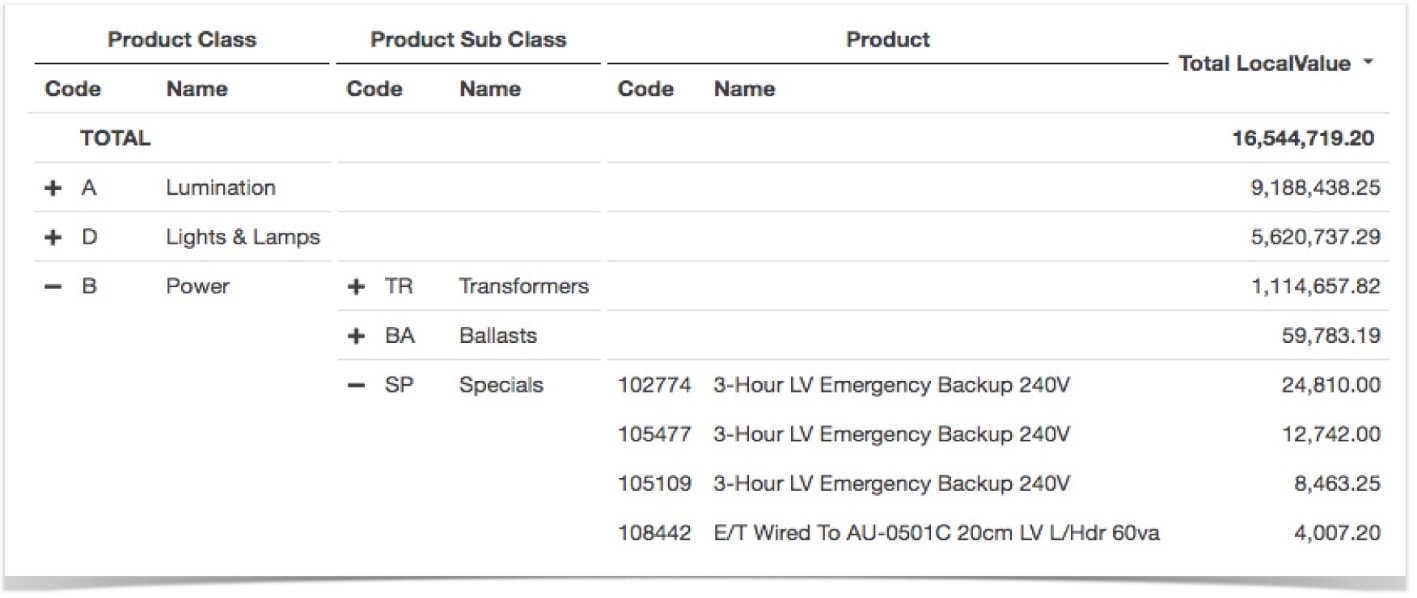
The new “marquee” feature for the Epicor Data Analytics 7.3.0 release, grid nesting allows users to create an “expand/contract” report within the EDA grid. Grouped by dimension, the nested grid will allow up to three levels of detail to be displayed. This can include everything from customer data, purchase history, and product information. Whatever data you wish to associate in the view, your preferences can be saved, added to the dashboard of your choice, or exported.

A screenshot of the Epicor Data Analytics 7.3.0 nested grids feature in use.

The Nested Grids Feature Is Useful On Many Levels. A full video of the nested grids feature and its capability can be viewed, here.

Data Snapshot Retention In Epicor Data Analytics 7.3.0

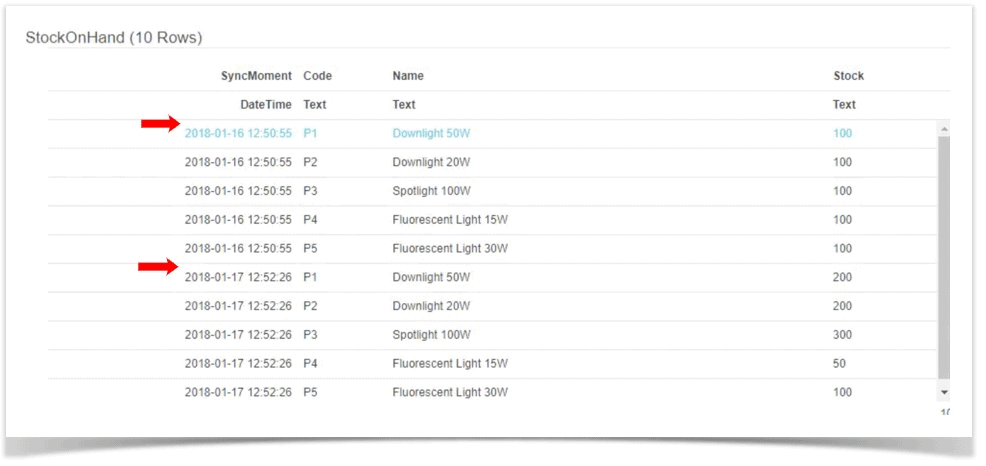
Administrators syncing data within Epicor Data Analytics 7.3.0, retention of historical snapshots can be an invaluable tool when working with datasets. To use the feature, tick the ‘Retain snapshot’ box when adding a file in Sync. Retention periods can be set for both daily and monthly periods. This feature is especially useful when working with data that is updated in real-time, allowing you to retain and view historical snapshots at-will.

a screenshot of the Epicor Data Analytics 7.3.0 data retention snapshot feature in use.

Reference Your Snap Shots For An Easy Look Back At Historical Data.

Retained data can be viewed by navigating to Administration > Sync sources and selecting the relevant source to view in more detail. In the example below, each snapshot is identified by its timestamp according to the retention period previously set by the user.

Enable and Disable Sync Items Functionality In Epicor Data Analytics 7.3.0

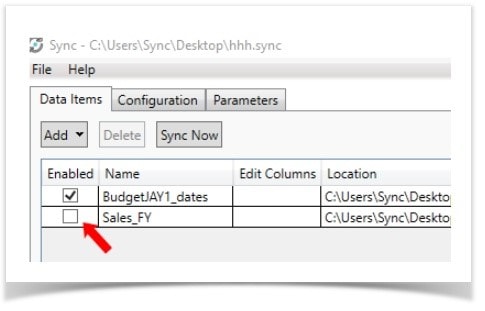
Administrators who have been looking for a veritable pause button when it comes to data sync will find just that with the new Enable/Disable Sync Items functionality released in EDA 7.3.0. The function is easy to engage. All admins need to do is tick enable box in the Data Items panel prior to sync taking place.

A screenshot of how items are enabled and disabled for syncing in the Epicor Data Analytics 7.3.0 Interface.

Enabling And Disabling Sync For Your Items Is A One-Click Action.

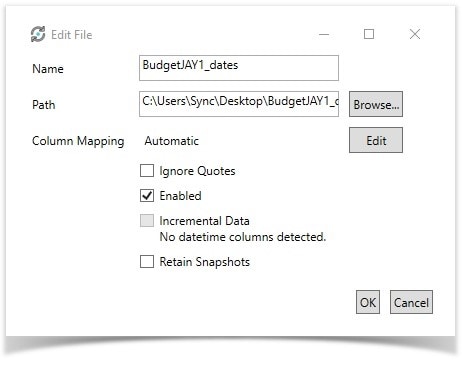
Newly added items and items being edited can also be enabled or disabled for sync using the same method.

A screenshot of the Epicor Data Analytics 7.3.0 Enable and Disable Sync functionality works for newly added items.

Enable Sync When Adding A New Item With A Single Click. You Can Always Disable Later If You Choose.

About Encompass Solutions

Encompass Solutions is a business and software consulting firm that specializes in ERP systems, EDI, and Managed Services support for Manufacturers and Distributors. Serving small and medium-sized businesses since 2001, Encompass modernizes operations and automates processes for hundreds of customers across the globe. Whether undertaking full-scale implementation, integration, and renovation of existing systems, Encompass provides a specialized approach to every client’s needs. By identifying customer requirements and addressing them with the right solutions, we ensure our clients are equipped to match the pace of Industry.

When it comes to delivering on your stakeholders’ expectations, there is only one action that defines success in the world of commerce. That is getting the right products to the right customers at the right price. Achieving the goal while keeping costs to a minimum and efficiency to a maximum is what manufacturers, distributors, and retailers strive for. In the case of many enterprises, only a quality ERP solution can tackle each challenge of order fulfillment head-on.

The commerce ecosystem, whether it be in traditionally grounded retail or exclusively an online operation, is a delicate one that relies equally on manufacturers, suppliers, and retailers delivering the product to customers the way they want it and when they want it. Order fulfillment is the key performance indicator that illustrates when these systems are operating in harmony and out of order.

Creating the perfect order for customers will satisfy everyone in the commerce chain from end to end and there are crucial components that every enterprise needs to deliver to reach that harmonious result.

Hit Your Shipping Times, Every Time

If you are shipping customer-direct or sending components to a trading partner for the next stage of the process, your product needs to be where you say it will, when you say it will. Dependable delivery is not just a selling point, it’s a contract that can make or break future business between parties and even open you up to legal ramifications in certain situations. Ensuring that your deliveries meet their recipients on the expected dates is one of the best ways to maintain working relationships and secure the business of your customers for the foreseeable future.

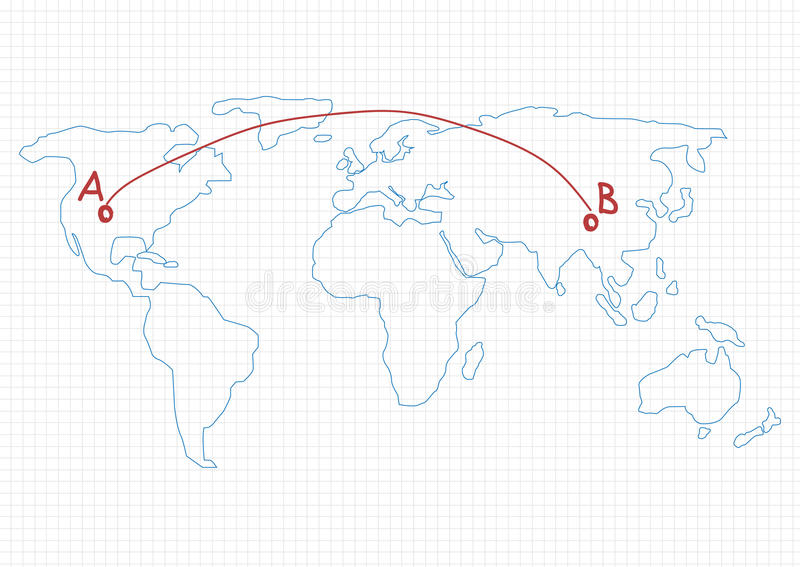
an image of the world map with two points connected by a line. Points are labeled a and b to indicate order fulfillment is getting products from origin to destination.

Getting Your Customers’ Order From Point A To Point B Is Paramount In Order Fulfillment.


Right Order, Right Size

The last thing anyone wants to deal with in commerce is additional back and forth through shipping. If your order is delivered with the wrong components or in a quantity other than what was agreed upon at purchase, it speaks volumes to the recipient about how you do business. Purchase order change requests are supply-side hassles and are often the latter in a ‘fill or kill’ scenario. End customers have lives too, and demanding schedules don’t leave much time to work around reordering and returns. Getting it right the first time will ensure there is a next time for you to fulfill orders.

a picture of a stack of boxes with one open and seemingly empty to signify accurate order fulfillment is required for success.

Ensure Your Customers Get What They Ordered In The Correct Quantities.

Safe Arrival Without Compromise

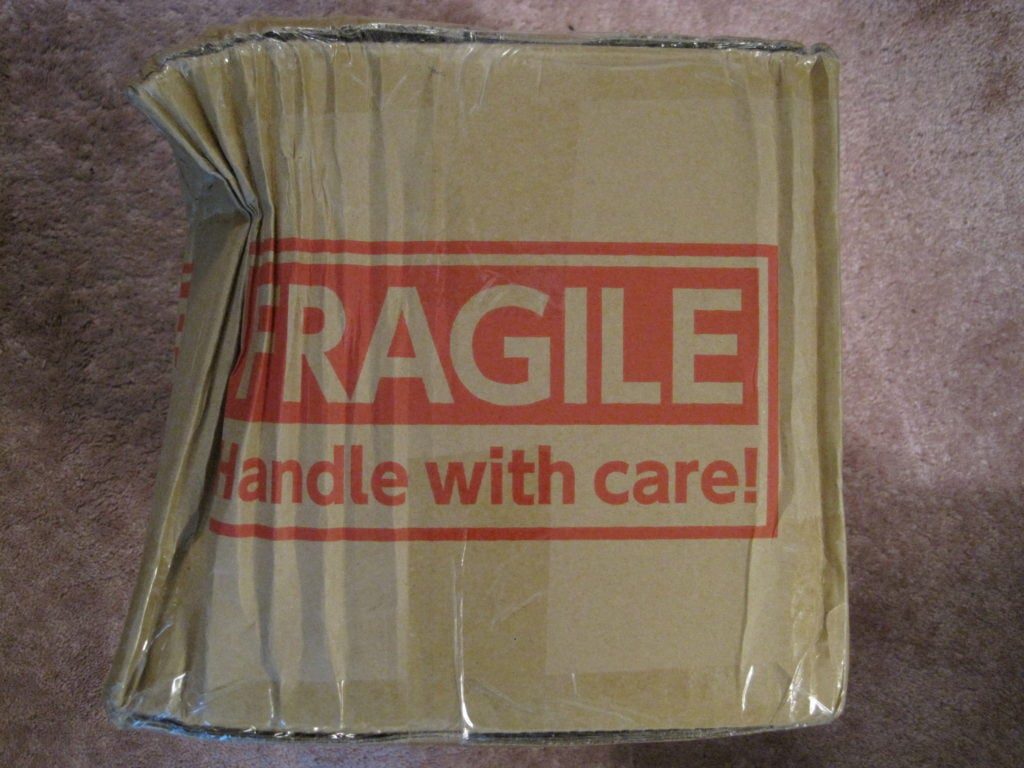
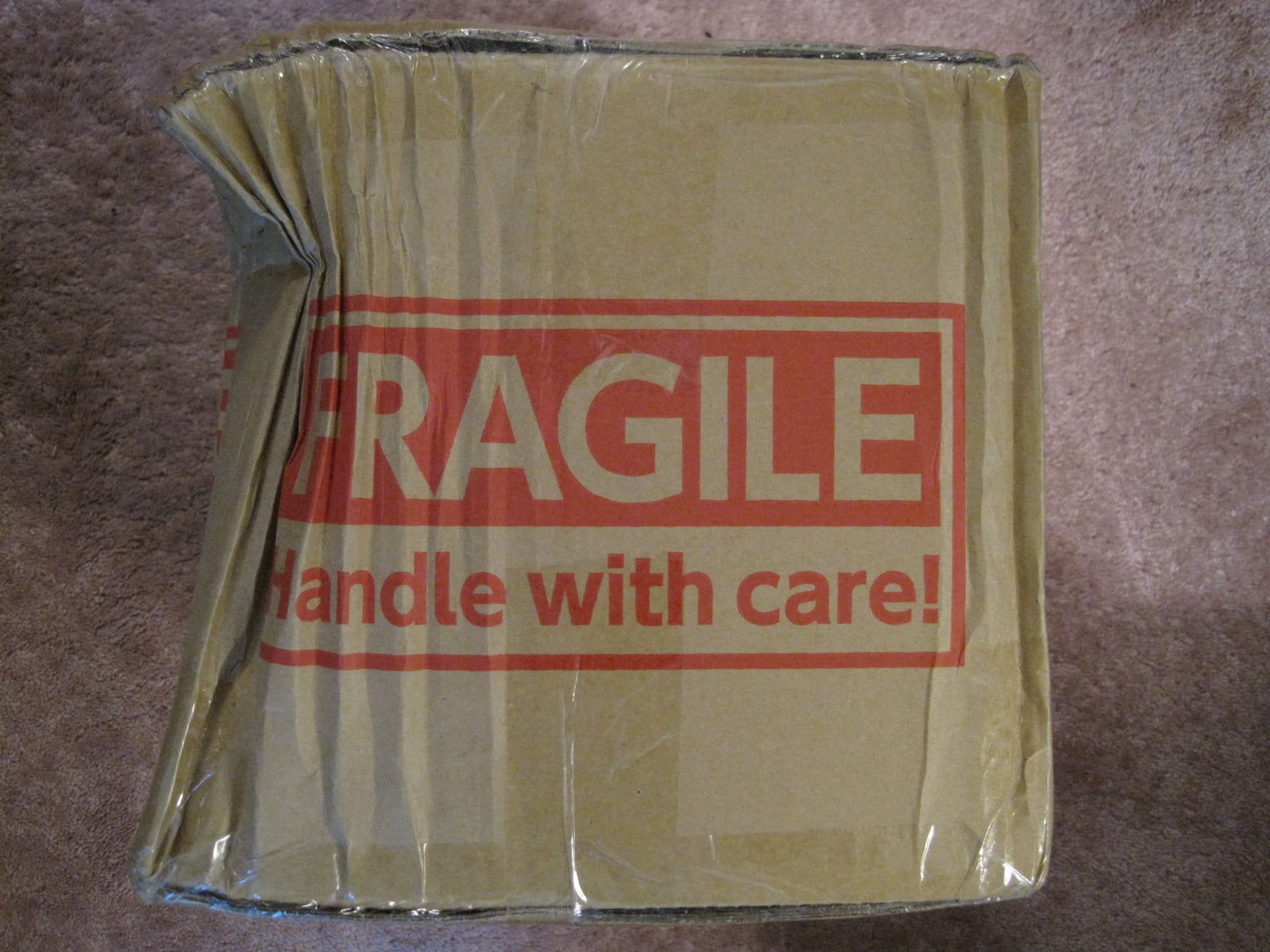
So, you got the shipment where it needed to be when it needed to be there, in the right quantity and all, only now the box is bashed in because of poor handling and your packaging didn’t do enough to protect the precious cargo. Placing blame on the shipping company doesn’t do for a customer who needed their order intact. Next time, account for problems that can arise even when the order is out of your hands and en route to its destination. Whether you’re flying it freight or hand-delivering, make sure the packaging can stand up to whatever the journey may throw at it.

A picture of a heavily damaged package labeled fragile - handle with care to signify proper order fulfillment needs to consider damage in transit.

Packages Are Damaged In Transit On A Regular Basis. Hope For The Best, Prepare For The Worst.

Having All Your Docs In a Row

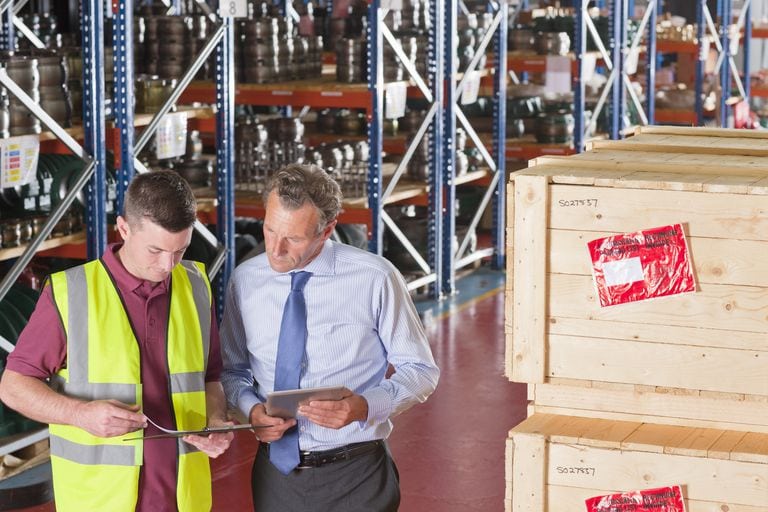
From start to finish, documentation should be spot on and detail every aspect of the purchase from entry to delivery. There are plenty of places within the chain where the process can go awry, but making sure documentation on your end is on the up and up will ensure that the final component of your perfect purchase order is in place.

a picture of two warehouse workers comparing shipment documents.

don’t Leave Any Room for Confusion When It Comes To Providing The Proper Documentation Of Customer Orders.

Achieve Optimal Order Fulfillment With A Modern ERP

Beyond the four pillars of perfect order fulfillment, maintaining your stride with modern tools will help you streamline your efforts and remain competitive. Antiquated and manually maintained systems of packing, shipping, and documenting leave too much room for human error and incorrect data to find their way into the pipeline. By implementing an effective ERP solution, your operations will maintain an efficient process from start to finish while giving you the competitive advantage of functioning with the latest in tools and systems built specifically to support your enterprise.

About Encompass Solutions

Encompass Solutions is a business and software consulting firm that specializes in ERP systems, EDI, and Managed Services support for Manufacturers and Distributors. Serving small and medium-sized businesses since 2001, Encompass modernizes operations and automates processes for hundreds of customers across the globe. Whether undertaking full-scale implementation, integration, and renovation of existing systems, Encompass provides a specialized approach to every client’s needs. By identifying customer requirements and addressing them with the right solutions, we ensure our clients are equipped to match the pace of Industry.

For those unfamiliar with the Craft Beverage Modernization and Tax Reform Act, the recently passed tax reform applying to alcoholic beverage manufacturers, the short of it is that the legislation offers two years of heavy relief from federal excise taxes applied to one of the most severely taxed industries in the US. So, what are craft brewers, distillers, and vintners going to do with it? For most, the word is grow.

The tax breaks will translate into substantial annual savings for these craft beverage makers, between $20,000 and $100,000 to be more precise, and allow them to hire more staff, expand operations, and invest in marketing to build their brands.

Brewer Benefits

For many of the nation’s thousands of small breweries, the tax break of $3.50, effectively halving the previous $7.00, on the first 60,000 barrels(BBL) produced for domestic breweries producing less than 2 million BBL annually, will be a desperately needed lifeline. To put things into perspective, that $7 has been anywhere from 15 percent to 25 percent of the total cost of that BBL.

a picture of two pint glasses filled with beer.

For many of the nation’s thousands of small breweries, the tax break of $3.50 effectively halves the previous $7.00.

Competing with the likes of D. G. Yuengling & Son, Inc, Sierra Nevada, New Belgium, and Boston Beer Co., mom-and-pop and Main-street brew operations have had a hard time coming up in an industry that has seen improved performance year on year but is at the same time contracting. An extra $20,000 going towards a brewpub can provide another part-time employee, new vats, advertising, and a host of other potentially powerful tools to aid expansion. Some operations will transcend the modest manufacturing operations to the regional scale and evolve into full-blown enterprises as a result. With new enterprise comes new concerns, including accounting, production, distribution, and, perhaps the most significant hurdle of even the most robust ERP solutions, tax responsibilities.

Distiller Details

The same positive outlook is true of the States’ 1,500 craft distillers who are already seeing big benefits from the change. The tax cuts bring federal excise taxes for distillers down significantly from $13.50 to $2.70 per proof gallon, applying to the first 100,000 gallons per year for a two-year period. Used to its maximum benefit, the savings translates to $2.16 million. With taxes on distilled spirits among the highest in the US, reaching more than 50 percent of a product’s purchase price in many cases, the relief is more than welcome from the craft distillers of America.

a picture of two glasses of whiskey, neat.

Used to maximum benefit, the savings in taxes translate to $2.16 million annually for craft distillers.

The industry workforce has grown to 20,000 with a cumulative investment total of $600 million in the last decade alone. Compare that to Jack Daniel’s Distilleries, which blows through that 100,000-gallon tax break in one day of production, and the future is only looking brighter for the craft distillers of America.

Vintners Toast Approval

Wine is another beneficiary of the latest excise tax reform, albeit with a slightly more complicated structure. Wine is taxed based on alcohol content with new rates applied to those containing 16 percent or less of alcohol, 16 percent to 21 percent, and 21 percent to 24 percent. These categories are taxed 21-cents, 31-cents, and 62-cents per bottle respectively. The benefits are a bit easier to see with a broader view. Let’s first take the initial 30,000 gallons a winery produces. Each of these barrels receives a $1 credit per gallon. The following 100,000 gallons receive a 90-cent tax credit and a 53.5-cent credit is applied to the next 620,000 gallons. All wine produced after that is taxed at the standard rate. The new tax rates are a far cry better than those previously afforded to the small wineries of America and when used to their fullest potential can provide craft vintners more than $450,000 in tax credits.

a picture of two glasses of white wine against a sunset backdrop.

When used to their fullest potential, the tax breaks can provide craft vintners more than $450,000 in tax credits.

With the results of the tax reform already taking effect, it’s not hard to see why the craft beverage manufacturers of America are celebrating. This reduction of excise taxes will afford the burgeoning craft beverage industry considerable capacity for expansion over the next two years and we can’t wait to see where the influx of capital will take up and coming enterprises.

About Encompass Solutions

Encompass Solutions is a business and software consulting firm that specializes in ERP systems, EDI, and Managed Services support for Manufacturers and Distributors. Serving small and medium-sized businesses since 2001, Encompass modernizes operations and automates processes for hundreds of customers across the globe. Whether undertaking full-scale implementation, integration, and renovation of existing systems, Encompass provides a specialized approach to every client’s needs. By identifying customer requirements and addressing them with the right solutions, we ensure our clients are equipped to match the pace of Industry.

Maintenance, Repair, and Overhaul (MRO) costs can cripple a manufacturer’s bottom line, especially when the required work compounds problems by impacting production to a significant degree. Implementing a dynamic ERP solution, like Epicor ERP, can address the issue before it becomes a problem. Through an effective mix of Quality Assurance and Asset Management modules, Epicor has built a powerful solution to specifically tackle the tasks associated with maintenance management, from Small and Medium Enterprises (SME) to multinational corporations.

Industry 4.0 – Machine Learning As An Essential Tool

By leveraging the Industrial Internet of Things and modern data analytics, manufacturers are finding that machine learning is the next essential tool in keeping their operations running at peak performance. These tools provide manufacturers with more and better data to ensure impacts that are detrimental to business are circumvented even before becoming roadblocks.

a representation of machine learning using a digital intelligence spreading through circuits a the push of a button.

Manufacturers Are Finding That Machine Learning Is The Next Essential Tool In Keeping Their Operations Running At Peak Performance.

According to John Fryer, senior director of industry solutions at fault-tolerant computer servers and software company Stratus, on his partnership with TransCanada, “data is now being collected from every turbine, pump and compression station, and fed back to a centralized control room. The data is then integrated and analyzed…to identify trends and enable predictive maintenance to be carried out.”

Stratus is currently working in tandem with TransCanada to maintain the operation of the gas company’s 57,000 miles of pipelines. The network often stretches into in rural and remote regions, which makes monitoring and predictive maintenance even more essential.

ROI With ERP Solutions

Because of improved monitoring, quality assurance, and asset management, manufacturers receive significant savings when it comes to MRO costs. By providing a comprehensive and fully-integrated approach to the calibration and upkeep of systems and equipment, manufacturers employing ERP solutions in their facilities can operate at maximum runtime to secure an optimum return on their total costs.

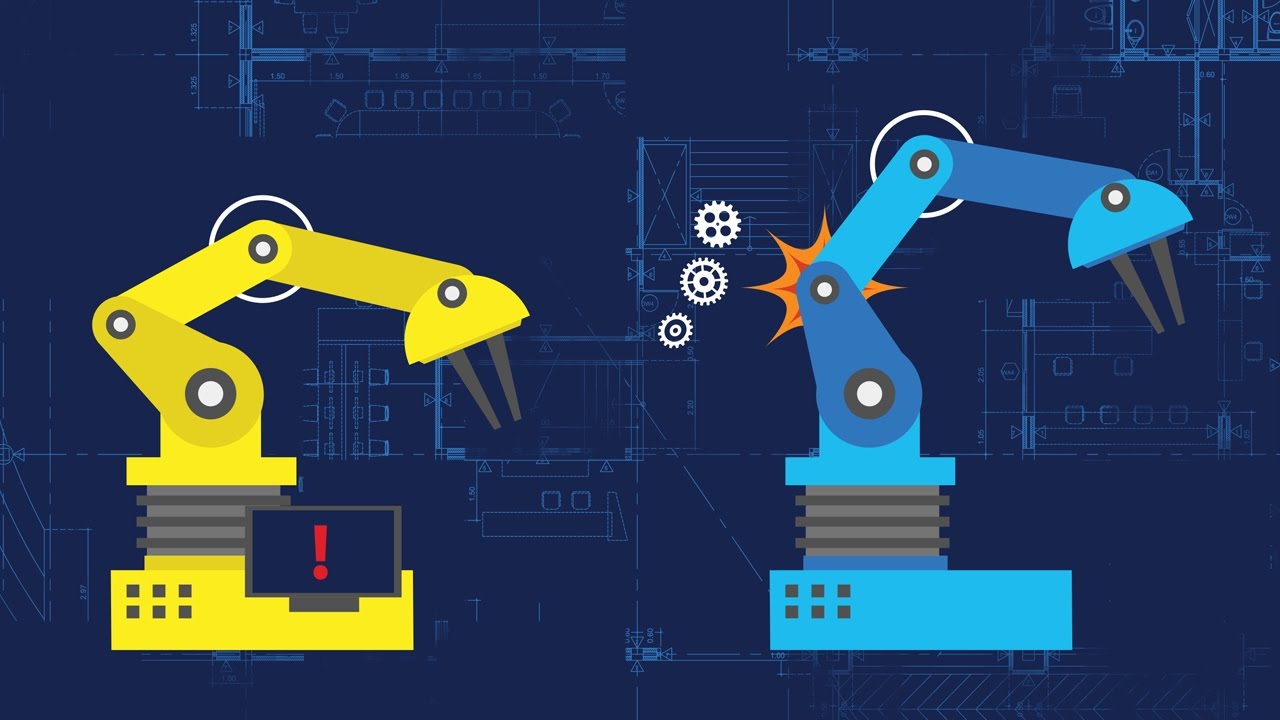
an image of factory automation equipment breaking

Improved Monitoring, Quality Assurance, And Asset Management Allow Manufacturers To Realize Significant Savings When It Comes To MRO Costs.

In the case of TransCanada, savings between $16m and $17m were measured in the first year following implementation alone. That’s just one success story. When an entire industry employs such advancements in how operations are maintained, the savings can compound by an order of magnitude.

How Epicor ERP Addresses Predictive Maintenance

Through the Maintenance Management module of Epicor’s ERP solution, manufacturers gain extensive support for maintenance request processing, planned preventive maintenance (according to predefined schedules), and improvised break/fix maintenance processing for a single piece of equipment. When it comes to the facilities themselves and production equipment housed within, maintenance can be scheduled according to a pre-defined service interval, usage, time or through manual requests. Once these work orders have been identified in the system, the upkeep planner can schedule equipment downtime and exchange resources or materials on the fly. The complete history of these machines, materials, and work orders are tracked using many metrics, including the in-service date, equipment location, warrant expiration date, and preventative maintenance plans based on either time or meter frequencies.

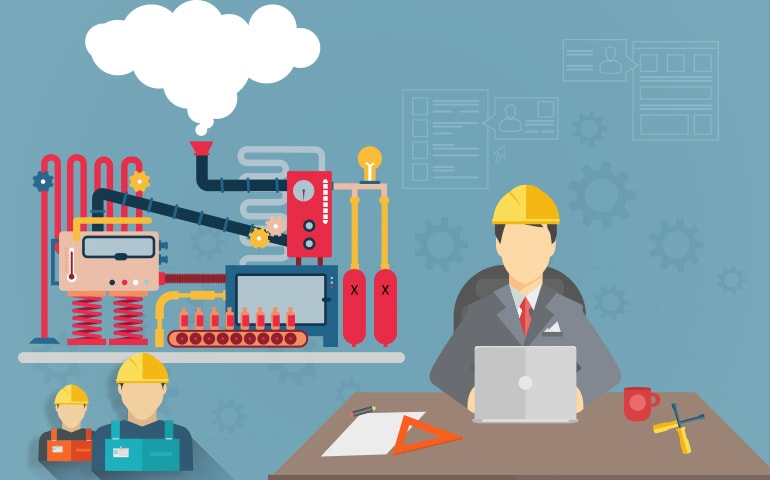
 a picture of factory equipment, technicians, and c-level executives working together.

Epicor ERP Helps Manufacturers Keep Operations Running Smoothly With Predictive Maintenance Tools.

About Encompass Solutions

Encompass Solutions is a business and software consulting firm that specializes in ERP systems, EDI, and Managed Services support for Manufacturers and Distributors. Serving small and medium-sized businesses since 2001, Encompass modernizes operations and automates processes for hundreds of customers across the globe. Whether undertaking full-scale implementation, integration, and renovation of existing systems, Encompass provides a specialized approach to every client’s needs. By identifying customer requirements and addressing them with the right solutions, we ensure our clients are equipped to match the pace of Industry.

A new industrial revolution, Industry 4.0, is blending automation and data exchange in ways that have never been possible before. The change has strengthened the concept of a “smart factory” that integrates cyber-physical systems, the Internet of things, cloud computing, and cognitive computing to create an increasingly cooperative relationship between man and machine throughout the manufacturing process.

An image of interconnecting beams of light superimposed over a city a night meant to symbolize the connections of devices in industry 4.0.

Industry 4.0 Connects Cyber-physical Systems To Blend Automation And Data Exchange In Ways That Have Never Been Possible Before.

Some fantastic developments regarding the future of employment in this new landscape were revealed in a report released last week by the Association of Advancing Automation (A3). The document detailed how interconnectivity, automation and, more specifically, robots work to create increasingly valuable and necessary work roles. Keep reading to find out how the skills gap is being addressed at home and abroad and how worker wages figure into the equation.

Automation: Replacing The Mundane With The Mechatronic

As advancements in automation and robotics reach a new zenith, individuals and organizations can more effectively and affordably integrate these mechatronic marvels into their manufacturing processes. Able to complete simple tasks with a high degree of quality, these robots enable the current manufacturing workforce, and those entering the field, to approach more complex and demanding roles in the workplace. As a result, new approaches to training and education are required to prepare workers in how best to leverage these technologies and improve productivity. The same is true not just for manufacturing but an array of industries, including hospitality, transportation, and healthcare.

a picture of Disney robot character wall-e holding up a plant in one hand. industry Automation in industry 4.0 brings robots into manufacturing like never before.

The New Wave Of Automation Robotics Will Come Bearing Gifts.

New Careers For An Existing Workforce

The results of automation are far from the sound bites and headlines predicting an end to the job market as we know it. In a sense it’s true, but hardly from a negative standpoint. While automation does eat up the roles charged with repetitive and simple tasks, it enables the workforce to take on more complex responsibilities that lead to further productivity and profitability. A poignant example with a focus on banking was offered at last week’s A3 conference.

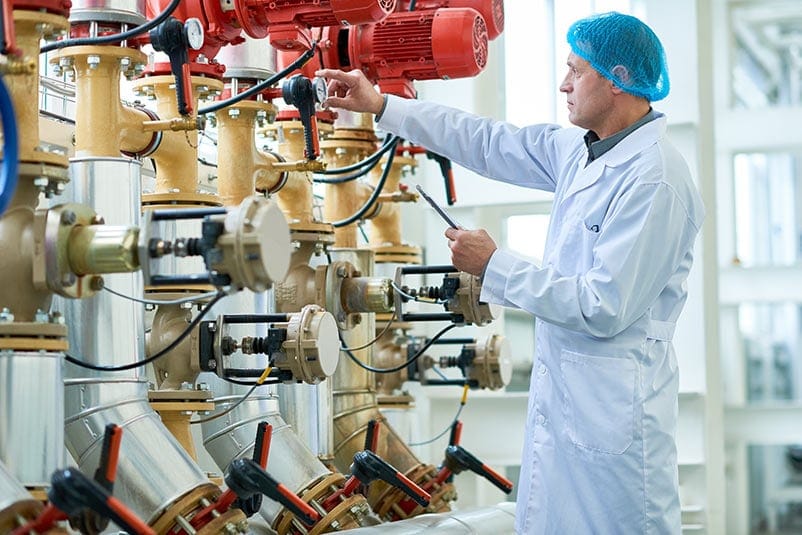
A picture of a technician with clipboard inspecting equipment. industry 4.0 presents opportunities for more specialized jobs and more sustainable job growth.

Automation And Robotics Will Give Rise To New Careers And Employment Opportunities.

With the arrival of the ATM, many people thought the role of the bank teller would go the way of the dodo. Long story short: it did not. The number of bank tellers fell by about a third. This presented banks with the opportunity to open more branches, approximately 40% more during that time, with the money saved by allowing machines take over the mundane cash-handling roles. More employees were then hired to fulfill more intellectually-demanding careers, such as relationship banking and credit and finance management. With these new roles came the need for more advanced training to adequately prepare the workforce to fill such positions.

Education, Certification, And Resurrection Of The Apprenticeship

As the number of opportunities in new careers grows because of increased automation, advances in educating and certifying a more talented workforce need to take place.

Based on data from the OECD, the National Bureau of Statistics of China and the University Grants Commission of India, Germany, India, and China have produced the greatest human investment in STEM fields over the last 15 years, with graduates in these sectors rising 170, 110, and 150 percent respectively. The US and South Korea have only increased their number of graduates by 40 and 20 percent in the same timeframe. Japan has foundered and seen a 10 percent reduction in STEM degrees. The top performers have been pushing STEM efforts beginning at the K-12 level, while additionally enhancing vocational training courses, and strengthening community college and university offerings that are attractive to employers in the manufacturing sector.

A picture of an engineer training an apprentice. industry 4.0 gives more room for advancement in manufacturing as menial tasks can be assumed by robots.

Employers Have Been Addressing The Talent Gap By Building From Within Through Apprenticeships And On-The-Job Training.

According to the Global Manufacturing Competitiveness Index, executives across the board agree that the biggest hurdle in advancing their operations in manufacturing is talent. It is estimated that 60% of critical positions in manufacturing remain unfilled. Beyond lack of qualified individuals, the time it takes to recruit, interview, and bring hires up to speed in the workplace can take as long as three months for engineering and research positions and two months for skilled production workers.

Employers have been addressing the hurdle by building from within through apprenticeships and on-the-job training. University isn’t appealing to or even practical for everybody, but with quality educational resources at their disposal, employees who find themselves with just a high-school degree can receive relevant, high-level training while at work or be compensated for continuing their education through external institutions. For example, Amazon has created its Career Choice program for hourly employees. Designed to give workers the opportunity to learn skills for in-demand jobs, the program pays for 95% of tuition costs towards robotics, computer science, engineering, and IT courses. Amazon even offers on-site classrooms to make the learning process as convenient as possible for participants. Programs like these make the benefits of automation clear: with labor freed and profits increased, companies can invest in their workforces to scale competently with growth.

Industry 4.0: Competition Breeds Opportunity For Workers

Beyond the opportunities for advancing education, compensation packages have steadily increased for talented workers in manufacturing. From back office to the shop floor, these employees can demand elite-level paychecks with benefits to boot.  According to the National Association of Manufacturers, entry-level positions in manufacturing begin at $20 an hour with the total compensation for manufacturing jobs reaching an average of $81,000 including benefits, compared to the average of $63,000 for all nonfarm workers.

a picture of a man in a suit climbing a staircase into the sky. industry 4.0 will play a large part in how factory workers become more specialized and advance their careers.

Automation Has Paved The Way For More Rewarding Positions And Opportunities Beyond The Assembly Line.

Perhaps it has been true in the past that the world’s manufacturing personnel feared robots would take over the shop floor to the detriment of a human workforce. However, the data reveals they’ve only paved the way for more rewarding positions and opportunities beyond the assembly line.

About Encompass Solutions

Encompass Solutions is a business and software consulting firm that specializes in ERP systems, EDI, and Managed Services support for Manufacturers and Distributors. Serving small and medium-sized businesses since 2001, Encompass modernizes operations and automates processes for hundreds of customers across the globe. Whether undertaking full-scale implementation, integration, and renovation of existing systems, Encompass provides a specialized approach to every client’s needs. By identifying customer requirements and addressing them with the right solutions, we ensure our clients are equipped to match the pace of Industry.


Your operations are scaling nicely at HQ, but coordinating with remote resources and even inter-departmentally in real-time is proving to be a significant hurdle. Most of your team is in-house, while any number of employees can be out on the road, on the manufacturing facility floor, or logging in remotely. However, you need everyone connected and on the same page to be functioning at 100%. A robust ERP system fro the likes of Epicor keeps everything in the pipeline and within arm’s reach, but you’ll be pinned to the desktop when making any significant maneuvers that rely on data from your ERP systems.

Bezlio Offers Mobile ERP Solutions To Users On The Move

Developed by Bezlio in 2016 as a response to a workforce that is increasingly on the move, the platform grants remote and secure access to the crucial data you need to reference or readjust, from anywhere.

With an agile approach to utilizing resources remotely, Bezlio delivers a modern solution to operations that provides stability and agility in a constantly shifting environment. Keep your sales team, warehouse procedures, and audits in line and on point with live data your workforce can access on their mobile phones and tablets.

a picture of the Bezlio mobile platform logo

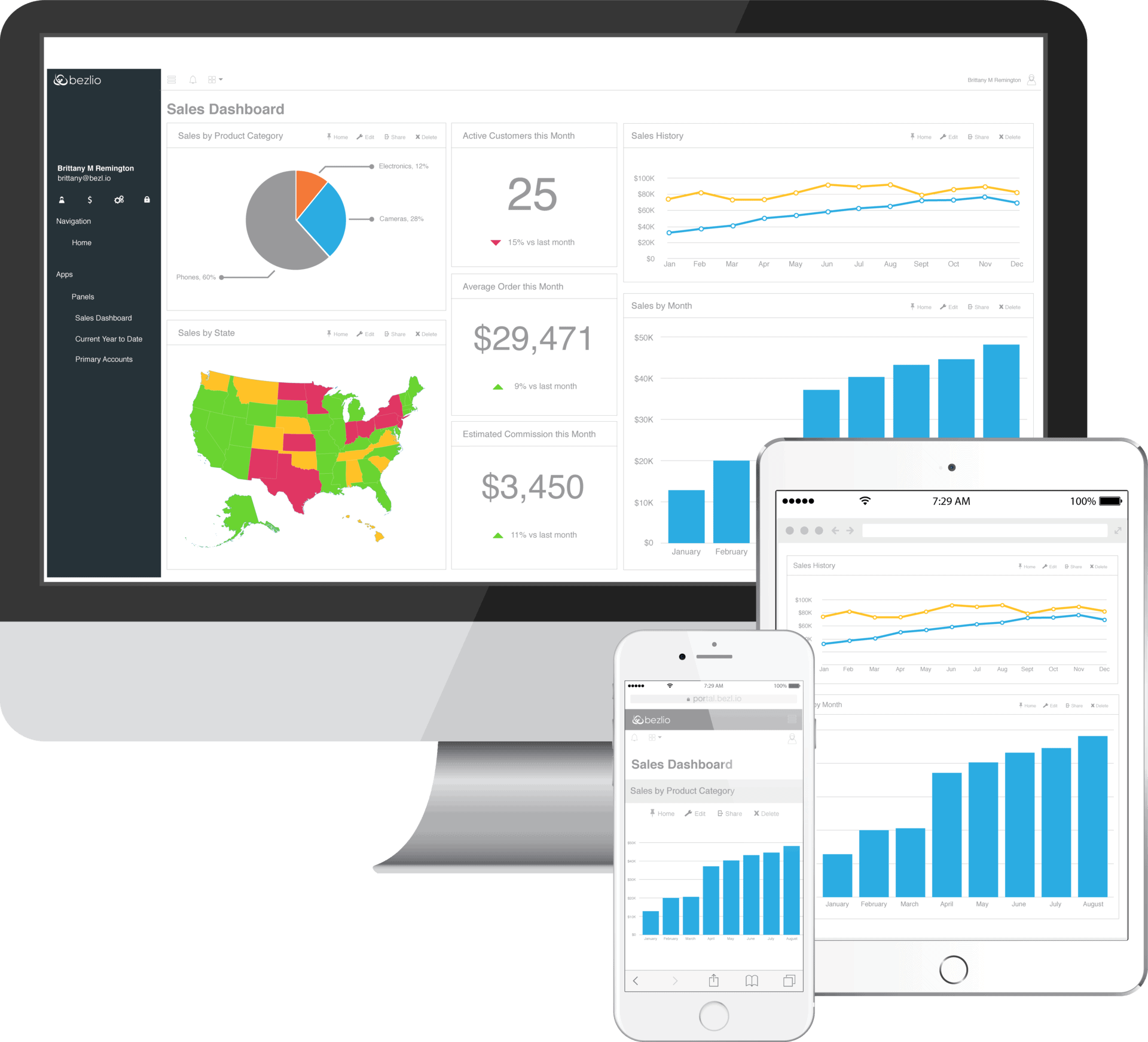
Bezlio is not just a fancy interface for mobile devices. It is exactly what you want it to be, with the capability to take shape according to your needs. Robust and detailed dashboards can be created for every department, putting the data employees and executives have to see right in front of them for a streamlined process from every angle. You gain essential insights from everything, including parts inventory and payroll sheets all the way out to the big picture with quarterly trends, annual projections, and beyond.

A Picture Of Bezlio ERP Sales Module Dashboards On Different Mobile and Desktop Devices.

Up And Running In A Fraction Of The Time

Compared to traditional ERP implementations, which can take months and even years to complete depending on the size of an operation, Bezlio can go from “in box” to “in action” in a day. Don’t know exactly what you want out of a dashboard or how to go about creating one? That’s OK: Bezlio has pre-made templates for your essential divisions to get them started straight away. Each template can be altered as you see fit. These exist for everything from sales to distribution, rapidly mobilizing your data for use in any direction the business day can take you.

Have existing software you need integrated? Bezlio already has direct compatibility with the most widely used enterprise tools. Plugins for Salesforce, Microsoft SQL Server, Epicor ERP, ODBC and Crystal Reports are already available.

Modern Security Without Compromise

Depending on who you’re talking to, ‘cloud’ can be considered a four-letter word. Security is on everyone’s mind, but with Bezlio you never have to compromise the integrity of your sensitive data when working in the cloud.

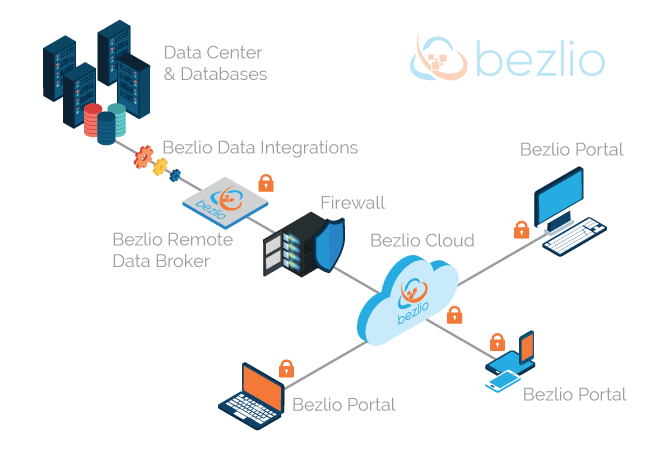
An infographic of Bezlio's security protocol and process

The platform utilizes a token-based entry system. Meaning, only those users, and their associated devices, that have been specifically granted access to the platform can access the data. Going further, admins can restrict exactly which subsets of data each user can access at any given time.

About Encompass Solutions

Encompass Solutions is a business and software consulting firm that specializes in ERP systems, EDI, and Managed Services support for Manufacturers and Distributors. Serving small and medium-sized businesses since 2001, Encompass modernizes operations and automates processes for hundreds of customers across the globe. Whether undertaking full-scale implementation, integration, and renovation of existing systems, Encompass provides a specialized approach to every client’s needs. By identifying customer requirements and addressing them with the right solutions, we ensure our clients are equipped to match the pace of Industry.

in Industry 4.0, Manufacturers and distributors have access to data on a scale that has never existed before. The two are leveraging the insights gleaned from that access to pursue new innovations in automation and systems that are reshaping the face of these industries. Pairing innovations like these with a robust ERP solution is the most effective way to ensure your business is prepared to address emerging technology trends that can reshape your industry overnight. Learn more about emerging technologies in manufacturing and Industry 4.0 to remain to be the competition, rather than simply competitive.

Industry 4.0

First, there was industry 1.0, the emergence of mechanization, as well as water-, steam-, and fossil fuel-powered systems. This was followed by mass production of goods, assembly line manufacturing, and electricity powering it all in Industry 2.0. With 3.0 came computers and automation using robotics. Today, we’ve reached the next milestone in revolutionizing Industry. Connecting established trends and emerging technologies between automation and data exchange in manufacturing is Industry 4.0. Also referred to as the fourth industrial revolution, it is focused on bringing cyber-physical systems into the mainstream and placing them at the forefront of the manufacturing industry.

The first Industry 4.0 conference was held last week by Troy, Michigan-based Automation Alley (AA), a non-profit tech and manufacturing business association that connects industry, academia, and government to accelerate innovation in manufacturing. During the conference, a report outlining what AA and industry experts see as the next wave of industry tech to influence innovation emerged. In the report, a roadmap outlined several core technologies that professionals and researchers agree will direct the trajectory of manufacturing in the coming years.

Noting the biggest challenge of innovation on the manufacturing floor as supply-side participants being able to keep up, executive director of Automation Alley Tom Kelly remained optimistic, stating, “The world (of manufacturing) is changing so fast, we can’t assume any company really knows where it’s headed. But based on what’s possible, we hope to help them turn this into action instead of stagnation.” Industry 5.0 has already appeared on the horizon with technologies that are only now being conceptualized and brought into existence.


a picture of a welder at work welding part of a steel frame structure

New Manufacturing Technologies And The Next Industrial Revolution Are Here


The full report on AA’s research into industry 4.0 will be released in April 2018 for those who were unable to attend last week’s conference centered on deconstructing the “siloed thinking” of manufacturing in its current state and nurturing the “smart factory” megatrend of connecting machines, workers, and factory systems through the internet and cloud computing.

The Industrial Internet Of Things

The Industrial Internet of Things (IIoT) utilized relevant information and completes essential tasks through smartphones, tablets, and other edge devices. Businesses can use this performance data in real-time to adapt and change their operations into a more streamlined process internally and externally for both short-term and long-term gains. This superior connectivity facilitates faster response times from all departments and brings with it improved agility for operations of every size.

An image displaying introducing Industry 4.0 technologies.

Emerging Technologies Are Ushering In A New Industrial Revolution – Industry 4.0


Robotics

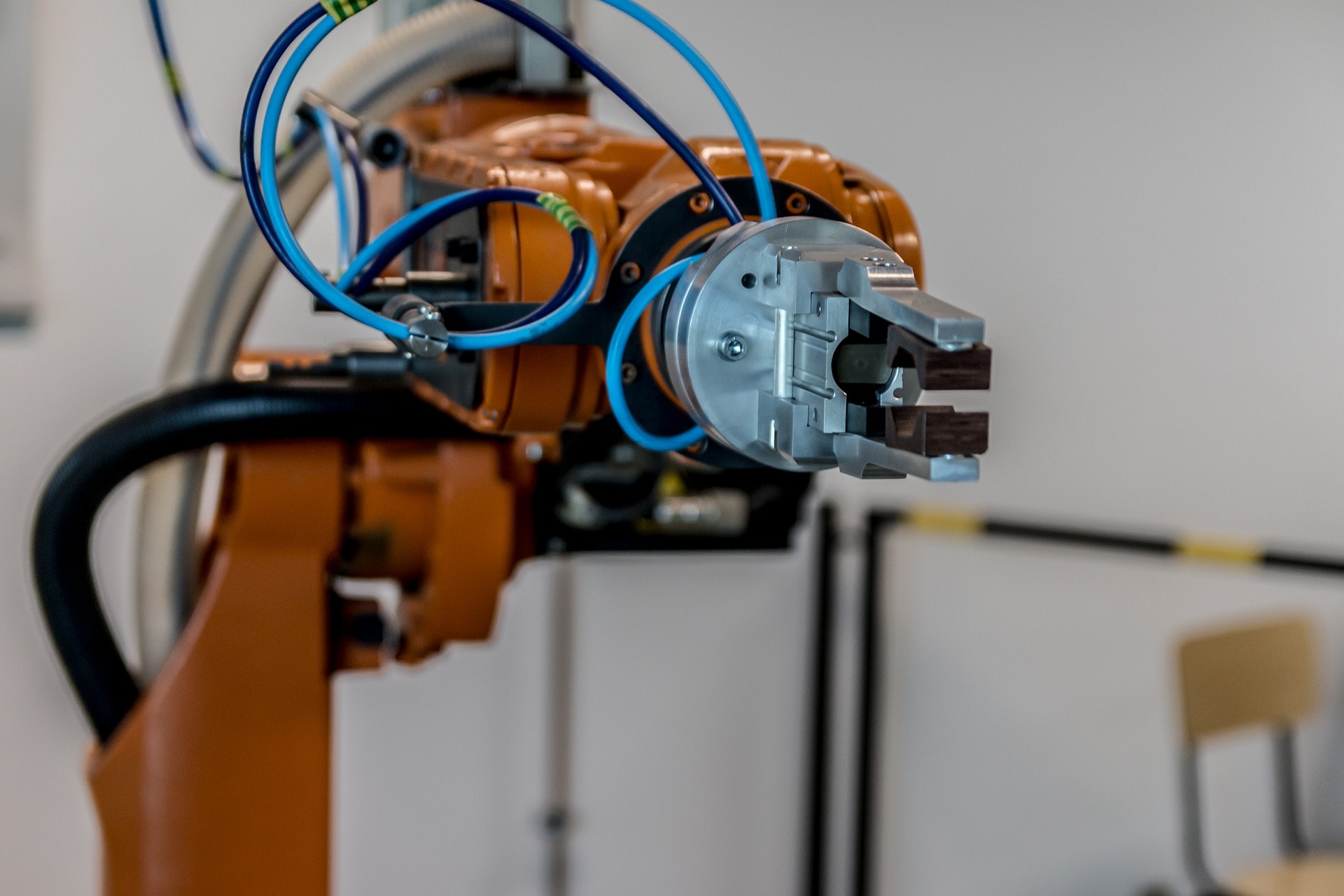
As robots become smarter, cheaper, and more efficient in their roles on the factory floor, these entities will command a greater presence in shaping the manufacturing industry. Advances in robotics technology allow these machines to take on more complex traits, including machine learning, heightened dexterity, memory, and the ability to collaborate more effectively. As a result, robots will usher in a new set of standards that every manufacturer will need to adopt to remain relevant.

An image displaying how Robotics and root systems are a significant component of Industry 4.0 technologies.

Advances In Robotics Means Smarter, More Agile, And More Efficient Robots.

Artificial Intelligence

Commonly the subject of doomsday scenario horror films, AI is nothing to discount as the stuff of science fiction gone wrong. The technology is already in our daily lives in the form of self-driving cars and industrial robotics. In manufacturing applications, the technology will become the new standard by which large sets of data are analyzed and predictive maintenance is undergone. In short, companies will have no choice but to “go digital” in order to survive.

An image a personal robot as part of Industry 4.0 technologies.

The Next Generation Of Artificial Intelligence Will Work side By Side With Humans On The Shop Floor.

Big Data

The means by which we capture data and store it is changing by the day. The even more complex and daunting tasks are how to sift through it and how to identify the relevant bits for different applications. New standards in search, sharing, transfer, visualization, querying, updating and information privacy are emerging as a result. To keep up with the data, rather than being mired in it, manufacturers will need to adopt more robust technologies than traditional data processing software, which is where specialized ERP solutions give your business the critical edge it needs to succeed. Robotic Process Automation (RPA) is one more example of how automation technologies are increasing productivity and how we manage data in the manufacturing environment.

An image displaying how Big Data systems are a significant component of Industry 4.0 technologies.

With More Data To Store And Sift Through, It Will Become Increasingly Necessary For Powerful Tools To Assist In Making Sense Of It All.

The Cloud

In many circles, the cloud is considered a four-letter word. The technology is new and traditional operators across industries are skeptical of its intangible nature. It is not maintained locally and can’t be monitored, stored or secured using traditional methods. That being said, Cloud-based technology is how the companies of the future will operate as it allows in-house users and remote workforces to collaborate in real-time more effectively than with traditional data systems. The cloud approach is faster, improves manageability, and reduces maintenance.

An image displaying how cloud computing and cloud technology systems are a big component of Industry 4.0 technologies.

Data Stored Digitally Can Be Utilized And Amended At A Moment’s Notice.

Cybersecurity

As more and more operations move toward cloud-based solutions and rely more heavily on a robotic workforce, maintaining the security and integrity of these systems becomes a much larger issue. In fact, cybersecurity in the manufacturing sector is listed as the highest priority of the National Association of Manufacturers. Industrial control systems are among the most sensitive targets, which is the class of computers that help to manage the shop floor. As more manufacturers simultaneously build and integrate their systems through the industrial Internet of Things, more opportunities for threats emerge.

An image displaying how cyber security systems are a big component of Industry 4.0 technologies.

Cybersecurity Will be One Of The Most Crucial Concepts To Address As New Innovations Bring Change To The Manufacturing Industry.

Advanced Materials And Additive Manufacturing

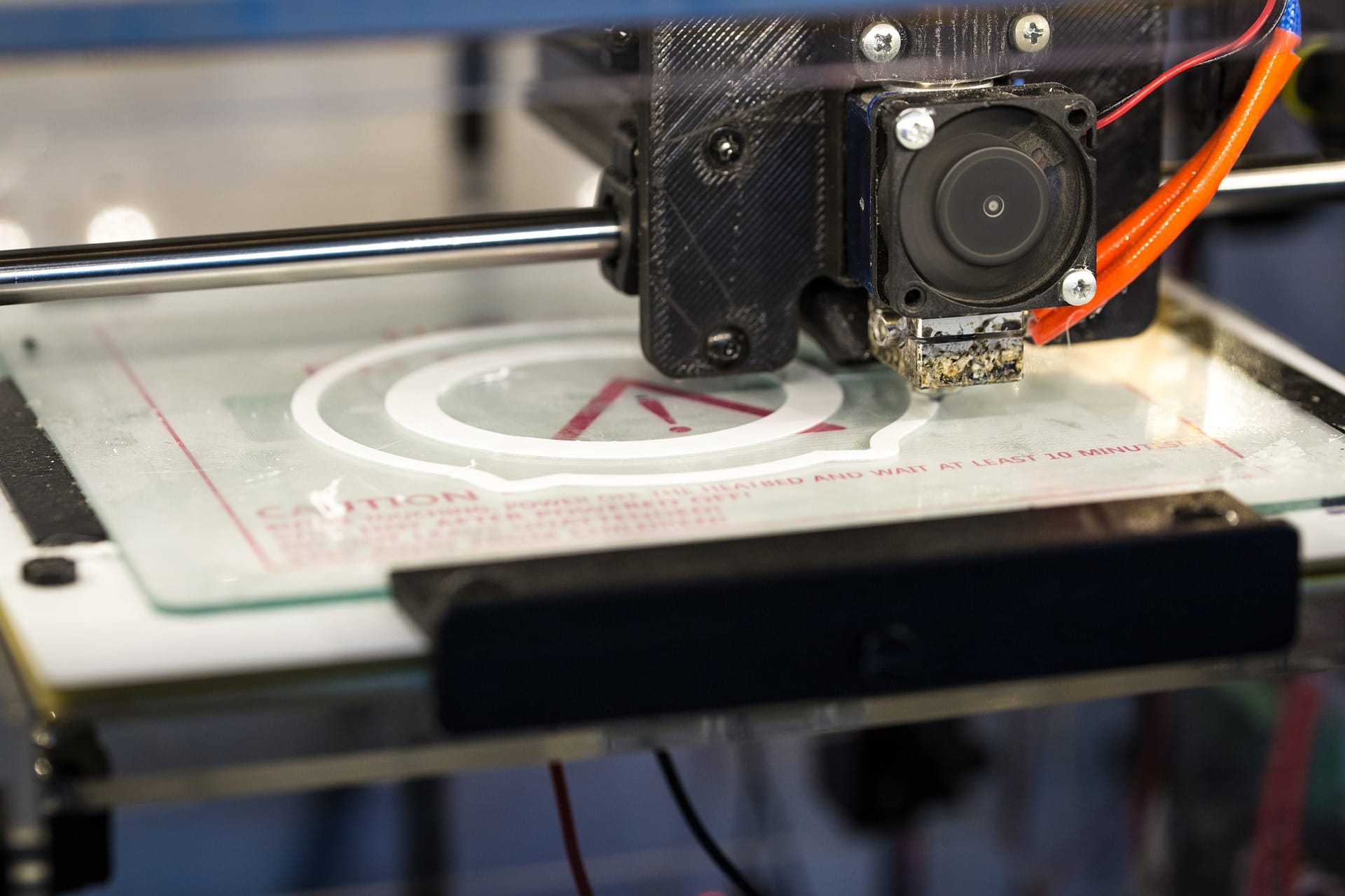
An emerging advanced manufacturing technology, you might know Advanced Materials And Additive Manufacturing by the more common name of 3D printing. A process that used to take weeks to accomplish on a small scale, 3D printing can know construct large and complex structures, like housing, in less than a day. Organic compounds, custom plastics, and a host of other materials can be utilized in the process, harmonizing product and nature through innovation.

An image displaying how additive manufacturing and 3D printing systems are a big component of Industry 4.0 technologies.

Advanced Materials And Additive Manufacturing Utilizes 3D Printers For Projects Large And Small.

Modeling, Simulation, Visualization, And Immersion

Analyzing, manipulating, and leveraging data is essential when it comes to making decisions on the future of any business. With new forms of visualization, simulation, and interaction available at the press of a button, businesses can leverage the latest technology to more effectively review, report, and forecast using their data. 3D visualization, virtual reality, and immersion tools are just a few of the innovations available to a host of businesses that rely on massive amounts of data daily, including manufacturing, healthcare, sciences, finance, and energy. Beyond data, these innovations and associated tools help develop tech and lead teams to greater success rates with more thorough and effective preparation for mission-critical tasks.

About Encompass Solutions

Encompass Solutions is a business and software consulting firm that specializes in ERP systems, EDI, and Managed Services support for Manufacturers and Distributors. Serving small and medium-sized businesses since 2001, Encompass modernizes operations and automates processes for hundreds of customers across the globe. Whether undertaking full-scale implementation, integration, and renovation of existing systems, Encompass provides a specialized approach to every client’s needs. By identifying customer requirements and addressing them with the right solutions, we ensure our clients are equipped to match the pace of Industry.


Integrated Service Estimator Solution Winners

Congratulations to the first two winners of professional-grade Innova scan tools for their participation in the Epicor Integrated Service Estimator Solution Sweepstakes! The first-place prize winner, Darrin Gilliam of Express Oil Change & Tire Engineers, Daphne, Ala., will receive an Innova 5160 CarScan PRO scan tool. The second-place prize winner, Randy Wilkens of Kwik Kar Automotive, Kansas City, Mo., will receive an Innova 5100 CarScan ABS/SRS tool.

“We congratulate Darrin and Randy for winning the first of 12 Innova scan tools in our six-month promotion,” said Stephen Gannon, senior director, automotive, product management and product development, Epicor Software. “Epicor ISE is a powerful business tool that helps shops grow their mechanical repair volume by streamlining the estimating and parts sourcing processes. Service writers and technicians who rely on ISE can save time and provide a higher level of customer service while earning free chances to win an Innova scan tool. It’s a win-win opportunity for every shop that relies on ISE to drive business growth and improved margin performance.”

The Epicor promotion, which continues through May 31, 2018, will award a total of 12 premium Innova scan tools to Epicor Integrated Service Estimator Solution customers via monthly drawings. Businesses using the web-based solution will automatically earn one free entry with each order generated and completed through the solution. Epicor will randomly select two winners each month to receive either an Innova 5160 CarScan PRO (First-Place Prize) or an Innova 5100 CarScan ABS/SRS (Second-Place Prize). Visit www.epicor.com/ISEsweeps for program rules and alternative form of entry.

Used by thousands of tire dealerships, oil-and-lube facilities, transmission service business, tune-up specialists, and general repair shops, the Epicor Integrated Service Estimator Solution enables users to write comprehensive, accurate repair estimates and identify, price, and source replacement parts in a fraction of the time normally required through manual processes. Parts, labor, and pricing information can automatically be imported into estimates, work orders, and invoices, simplifying the workload for shop service writers. In addition, an optional, mobile “Smart Inspection” feature helps to boost service bay productivity by allowing technicians to record the condition of key vehicle systems and components during comprehensive, guided inspections.

The solution is powered by the Epicor industry-leading replacement parts database, as well as popular repair and maintenance packages, an aftermarket flat-rate labor guide, OEM-recommended vehicle service intervals information, a VIN decoder, cross-reference parts database, and more. To learn more about the solution and the sweepstakes promotion, contact your Epicor representative or visit www.epicor.com/ISEsweeps. For more information about Innova tools and accessories, visit www.pro.innova.com.

Posted by the Epicor Social Media Team

About Encompass Solutions

Encompass Solutions is a business and software consulting firm that specializes in ERP systems, EDI, and Managed Services support for Manufacturers and Distributors. Serving small and medium-sized businesses since 2001, Encompass modernizes operations and automates processes for hundreds of customers across the globe. Whether undertaking full-scale implementation, integration, and renovation of existing systems, Encompass provides a specialized approach to every client’s needs. By identifying customer requirements and addressing them with the right solutions, we ensure our clients are equipped to match the pace of Industry.

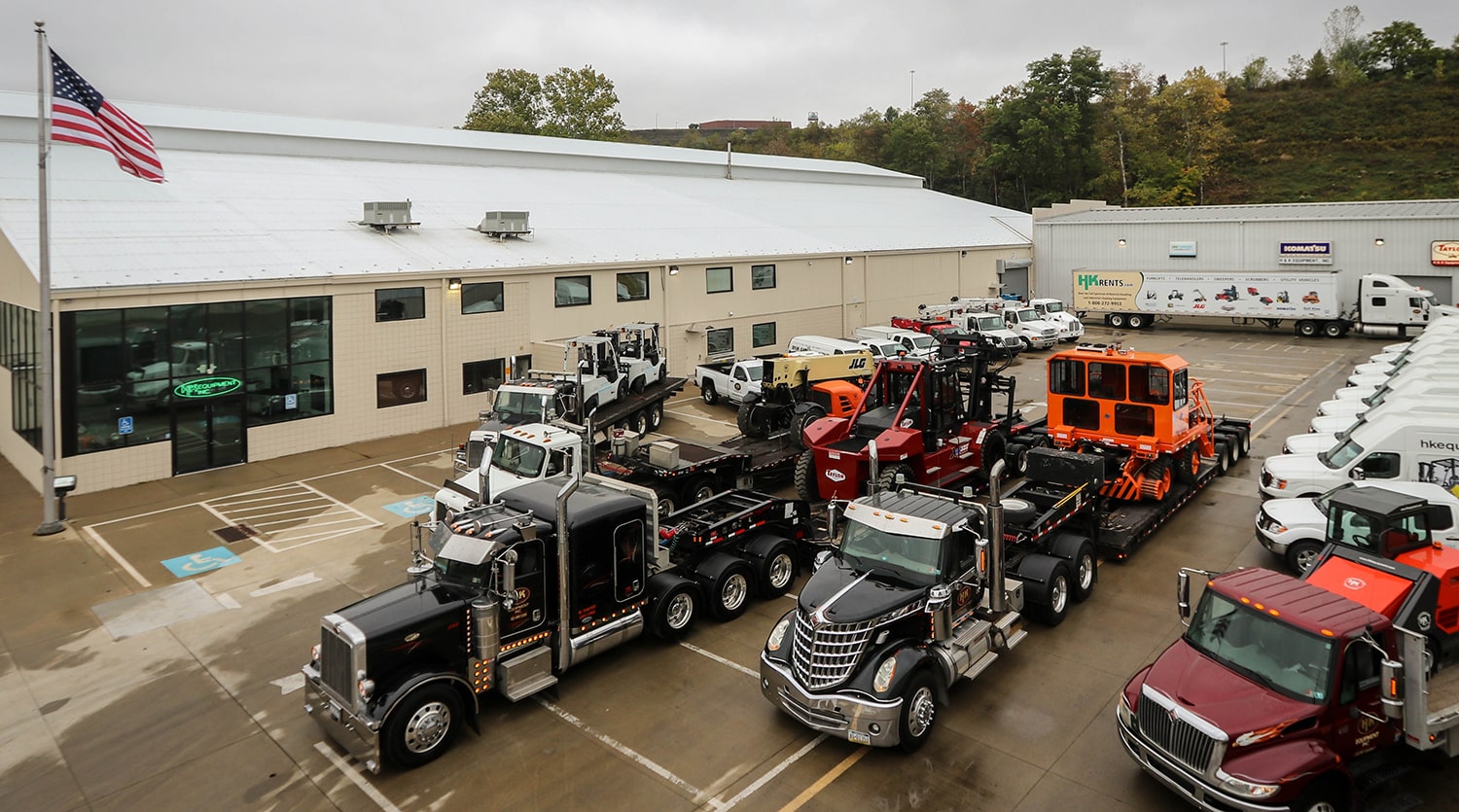
Following the most recent tax reform legislation passed by the federal government, manufacturers of all sizes have enjoyed success in their sectors. This week, White House Press Secretary Sarah Sanders delivered a daily press brief that highlighted how policies outlined in the new tax law have had a positive impact on businesses. One such success story came from Pittsburg, PA’s H&K Equipment.

A picture of literature that details economics and taxes.

Recently Passed US Tax Legislation Has Had A Favorable Impact On The Nation’s Manufacturers.

H&K Equipment’s Story

The company was founded in 1983 by three entrepreneurs and run out of a garage. Today the company has grown to include 200 employees providing services in selling, renting, and servicing lift trucks, container handlers, railcar movers, personnel carriers, yard trucks, and industrial sweeping and scrubbing equipment.

According to company representatives, 2017 had been the company’s best year to date. The success has been attributed directly to the White House’s position on economic and job growth. Tax cuts, in particular, allowed the company to expense new equipment they acquired within the same year and return 50% more on investments made into the company when compared to 2016. According to Sanders, “When they buy more trucks and equipment for their rental fleet, they hire more technicians to service them, buy more service vehicles to transport those techs from customer site to customer site, and buy more parts from their suppliers to keep the rental fleet running. All of this economic activity spurred by the tax bill will result in more jobs, higher wages, and a brighter future.”

A picture of H&K Equipment Headquarters

H&K Equipment’s Success Story Is Just One Of Many Following The Recently Passed US Tax Legislation. Photo Provided By: H&K Equipment

There are currently 566,000 employed by the manufacturing industry in Pennsylvania alone, with an average annual salary of $72,500 for workers. The state generates $85.13 billion according to a 2015 report on manufacturing output. These growth- and worker-focused policies coming from the current US Administration are leading to big benefits for manufacturing outfits in Pennsylvania and across the country. Beyond mid-sized operators like H&K, conglomerates, including AT&T, Boeing, and Waste Management, have all attributed increased commerce and benefits to employees as results of tax reform. 2018 is expected to usher in further progress in US manufacturing investment, expansion, and employment.

US Manufacturing And Production Make Gains In Q4 Of 2017

2017 was a booming year for manufacturing with overall production rising for a fourth consecutive month in December. That resulted in a 2.4% increase year-over-year according to the Federal Reserve. December’s gains dripped slightly from November’s numbers, but the trend gleaned optimism from industry experts and professionals alike. The increase in production for 2017 has been the highest gain since 2014.

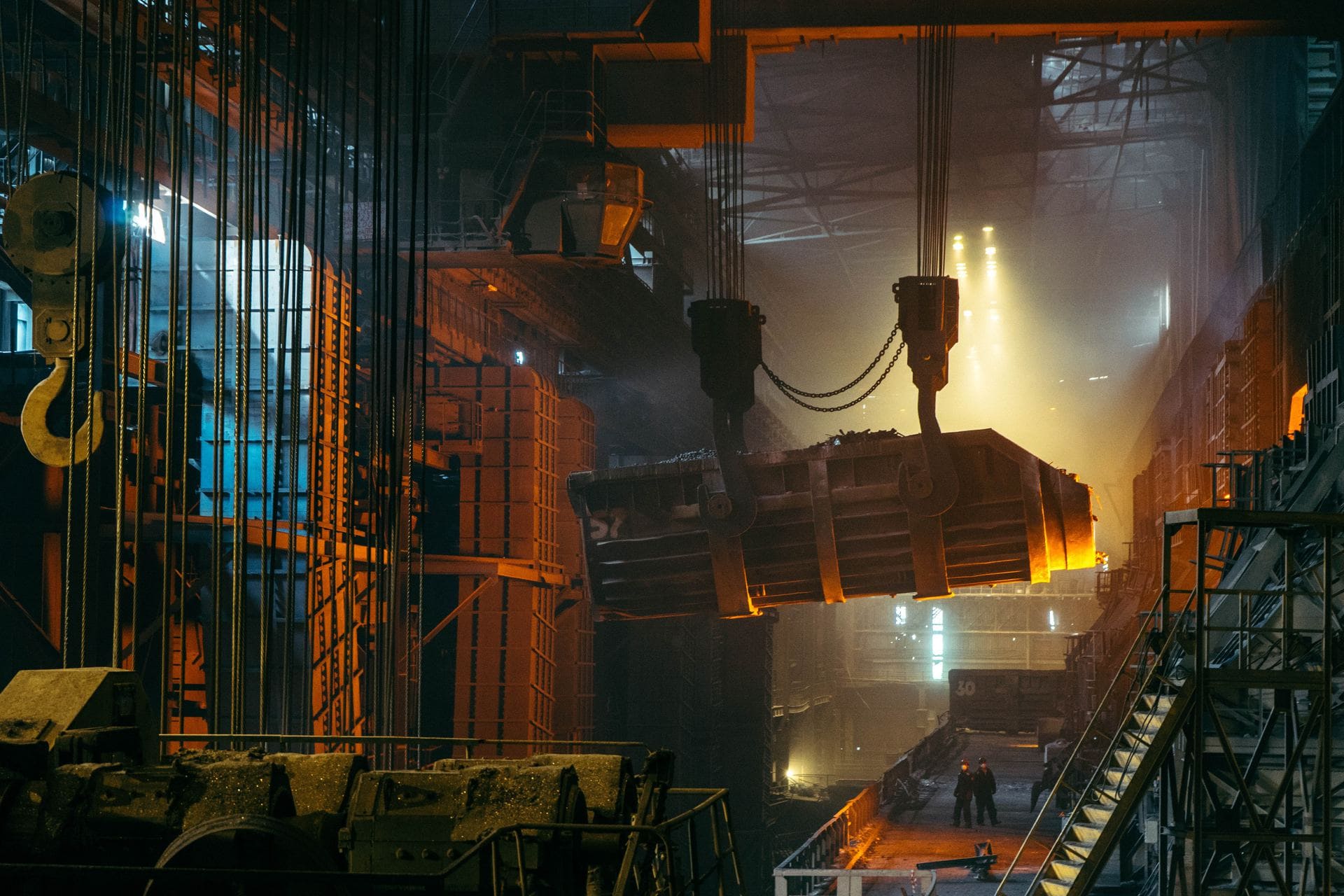
A picture of workers and equipment in a manufacturing facility

Manufacturers Big And Small Are Reaping The Benefits Of More Favorable Tax Laws that Facilitate Expansion In Investment And Hiring.

The report from the Federal Reserve released this month pulled data from industrial production, manufacturing, durable goods, and nondurable goods. The biggest gains came from industrial production, which jumped 1.6% from September to October, and nondurable goods, which enjoyed the lion’s share of progress in recovering 2.5% from a September low to its highest show in October.

In related news, overall industrial production was up nearly 1% in December, totaling a 3.6% rise for 2017. Peripherally, utilities and mining rose 5.6% and 1.6%, respectively.

About Encompass Solutions

Encompass Solutions is a business and software consulting firm that specializes in ERP systems, EDI, and Managed Services support for Manufacturers and Distributors. Serving small and medium-sized businesses since 2001, Encompass modernizes operations and automates processes for hundreds of customers across the globe. Whether undertaking full-scale implementation, integration, and renovation of existing systems, Encompass provides a specialized approach to every client’s needs. By identifying customer requirements and addressing them with the right solutions, we ensure our clients are equipped to match the pace of Industry.
1 15 16 17 18 19 21